
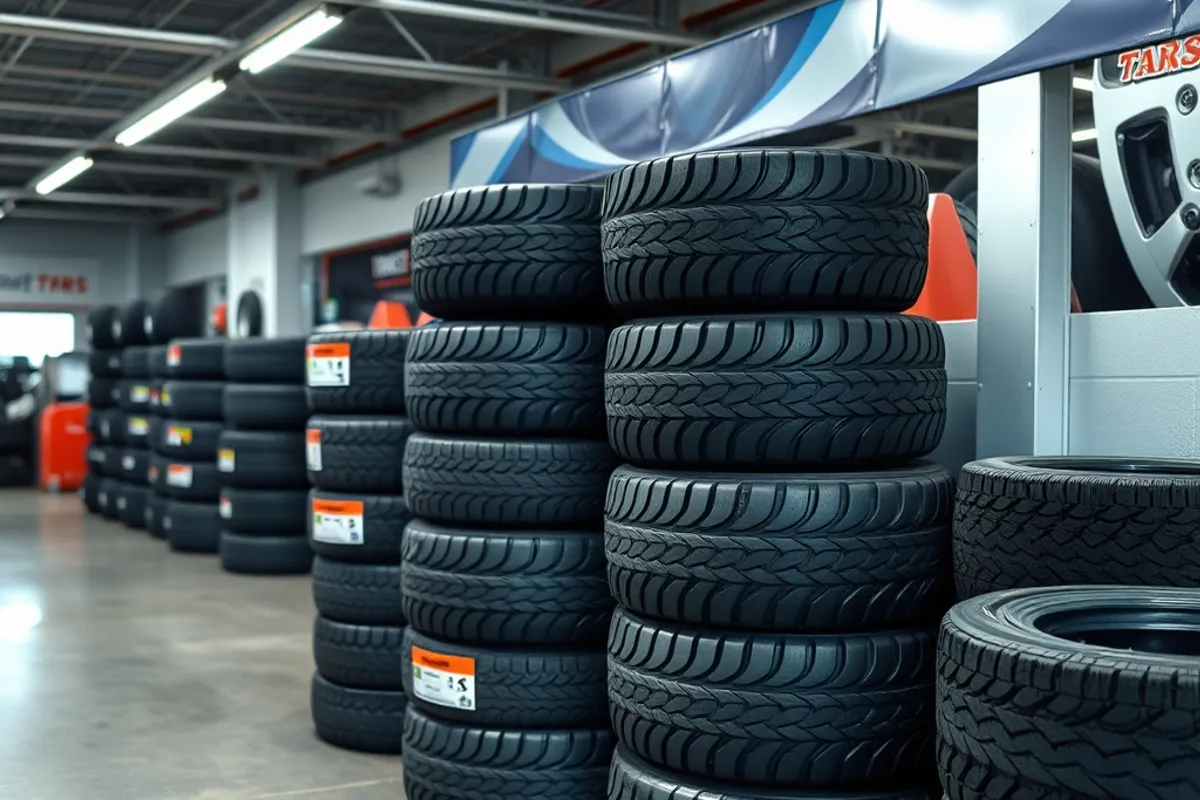
How to Buy Car Tires in 2026: Sizes, Ratings and Costs
Tires are the only part of the car touching the road. Buying on price alone is a decision about stopping distance, not just budget.
Tires are the only part of the car touching the road. Buying on price alone is a decision about stopping distance, fuel use and comfort, not just budget. The right set can transform a car; the wrong one can make every wet morning feel longer.
This guide explains how to read a tire sidewall, what the ratings mean in 2026, how to compare real prices and when a cheap tire is a false economy. It is written for normal road drivers, not track-day enthusiasts.
Read the sidewall first
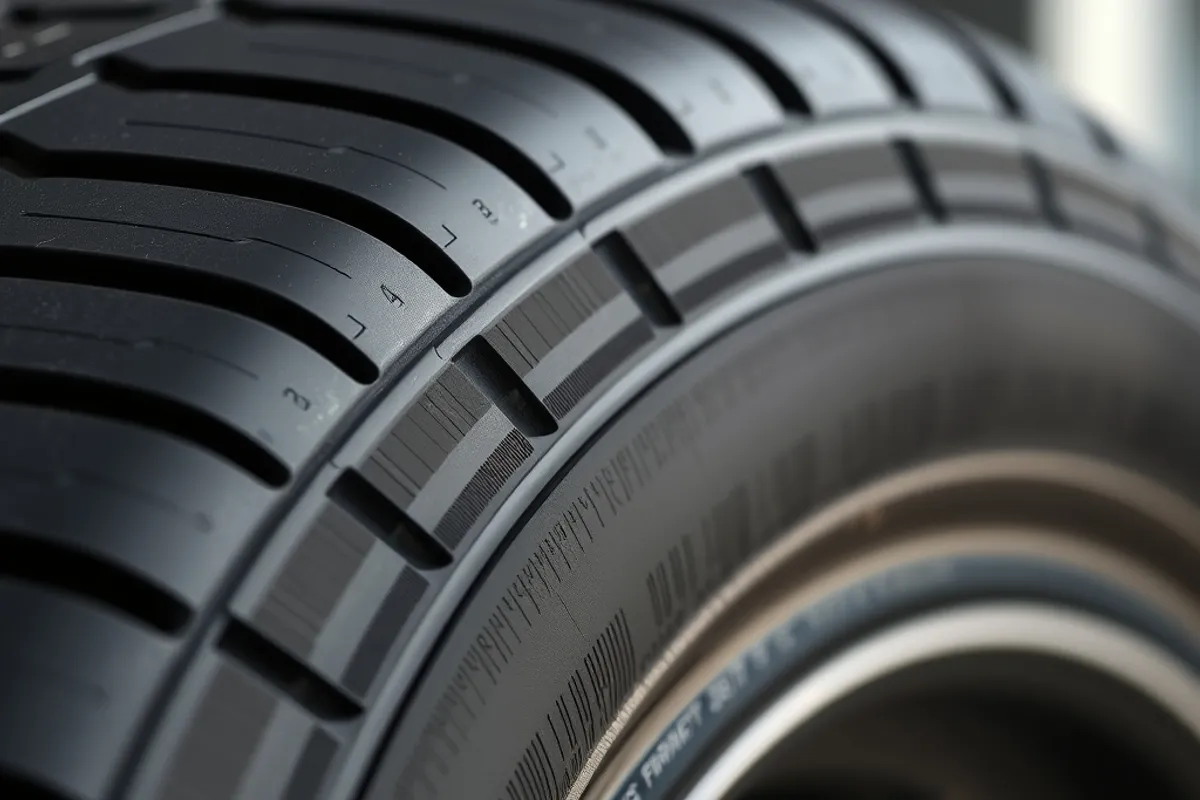
The size looks like 205/55 R16 91V. The first number is the width in millimetres, the second is the sidewall height as a percentage of width, and R16 is the wheel diameter in inches. The load index (91) and speed rating (V) must meet or exceed what the car's manual specifies. Fitting a lower rating can invalidate insurance and reduce safety.
Also look for the DOT code: four digits give the week and year of manufacture. A tire made more than six years ago should be treated with suspicion, even if it has never been used. Rubber ages in storage.
Tread, wet grip and the label
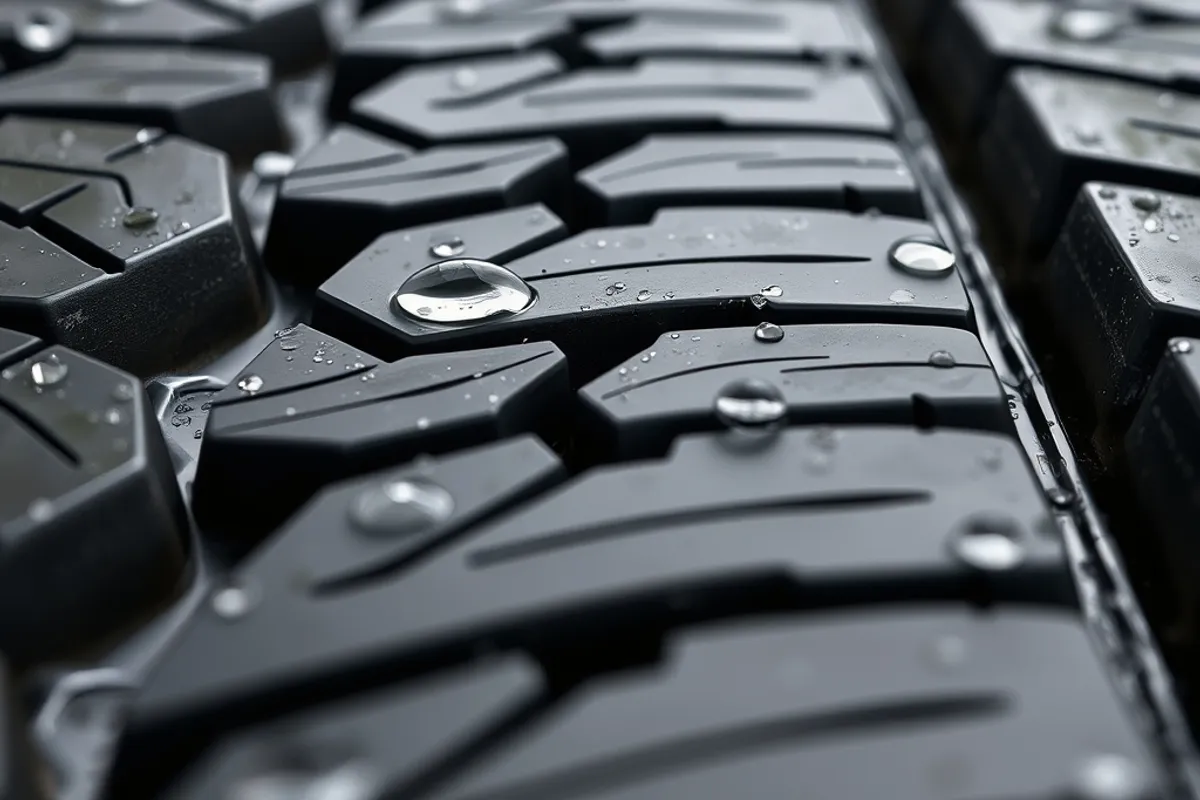
Tread clears water; the compound and pattern decide how well it grips. The EU tire label grades wet grip from A to E and rolling resistance from A to E, with a noise figure in decibels. A tire with good wet grip may wear faster; that is a fair trade for most drivers.
Do not choose a tire solely on the label. The difference between an A and a B in wet braking is measurable but smaller than the difference between a maintained tire and a worn one. Replace at 3 mm for wet weather, not the legal 1.6 mm minimum.
Summer, winter and all-season
Summer tires are best above roughly 7 degrees Celsius, with more grip and better wear. Winter tires use a softer compound and deeper sipes for cold, wet and snowy roads. All-season tires split the difference and suit mild climates, but they are a compromise in both directions.
If winters are severe, a dedicated winter set on separate wheels is cheaper over time than swapping tires twice a year. If you rarely see snow, a good all-season set is simpler and safer than driving summer tires in the cold.
Load, speed and EV-specific tires
Load index matters for a fully loaded car or a tow vehicle. Speed rating matters less for legal driving, but a lower rating can indicate a cheaper construction. Never fit a tire with a lower load or speed rating than the manufacturer requires.
Electric cars are heavier and produce instant torque, so many use EV-specific tires with stronger sidewalls and lower rolling resistance. You can fit standard tires if the load and speed ratings match, but expect more noise and faster wear. Check the car's specification before assuming.
A cheap tire is only cheap until the first emergency stop in the rain.
Noah Bennett
Age, damage and when to replace
Inspect the sidewalls for cracks, bulges and cuts. A bulge means internal damage and the tire must be replaced immediately. Check the tread for punctures and uneven wear; a worn inner edge suggests alignment or suspension problems. If a tire repeatedly loses pressure, have it removed and inspected, not just inflated.
- Replace at 3 mm tread for wet conditions.
- Replace any tire with a sidewall bulge or deep cut.
- Check the DOT date; question anything over six years old.
- Match tires in pairs across an axle at minimum.
- Check pressures monthly, cold.
What they cost and where to buy
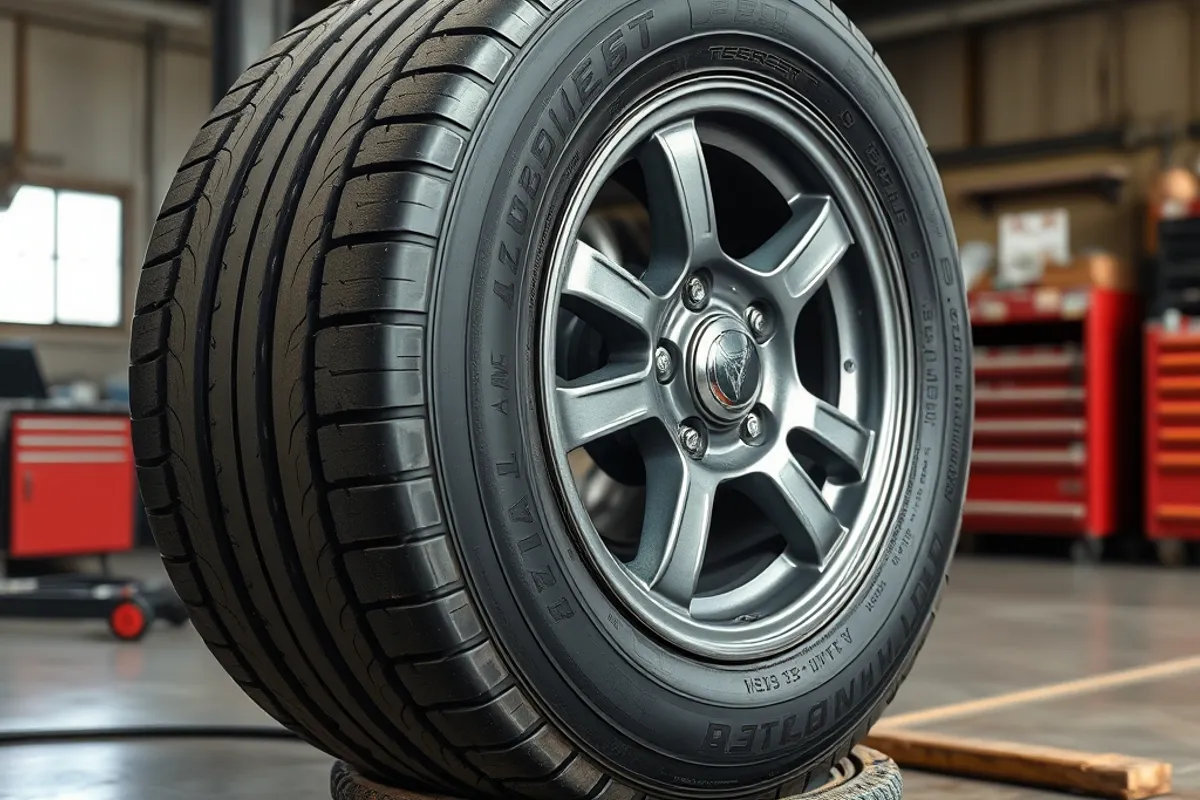
Prices vary by size and brand. A common 16-inch all-season tire might cost 80 to 150 dollars fitted, while a premium 19-inch EV tire can exceed 300. Add alignment, balancing, valves and disposal. Compare the fitted price, not the headline price, and check the production date before the tire goes on the car.
Buy from a shop that can align the car and honour the warranty locally. Online deals can be good, but fitting and warranty support matter when something goes wrong. Keep the receipt and the DOT codes. Our maintenance checklist explains how often to check pressures and tread, and our brake pad guide covers the other system that decides your stopping distance.

Final word
Buy the correct size and rating, prioritise wet grip, and replace before the tire is worn out. For independent background on tire construction and markings, the Wikipedia entry on tires is a reasonable primer. The rest is a conversation with a fitter you trust.
Key facts
- Match the load and speed ratings in the owner's manual.
- Replace at 3 mm tread for safe wet grip.
- Check the DOT date; avoid tires over six years old.
- Compare fitted prices, including alignment and disposal.
- A sidewall bulge means immediate replacement.
Grip first, price second.