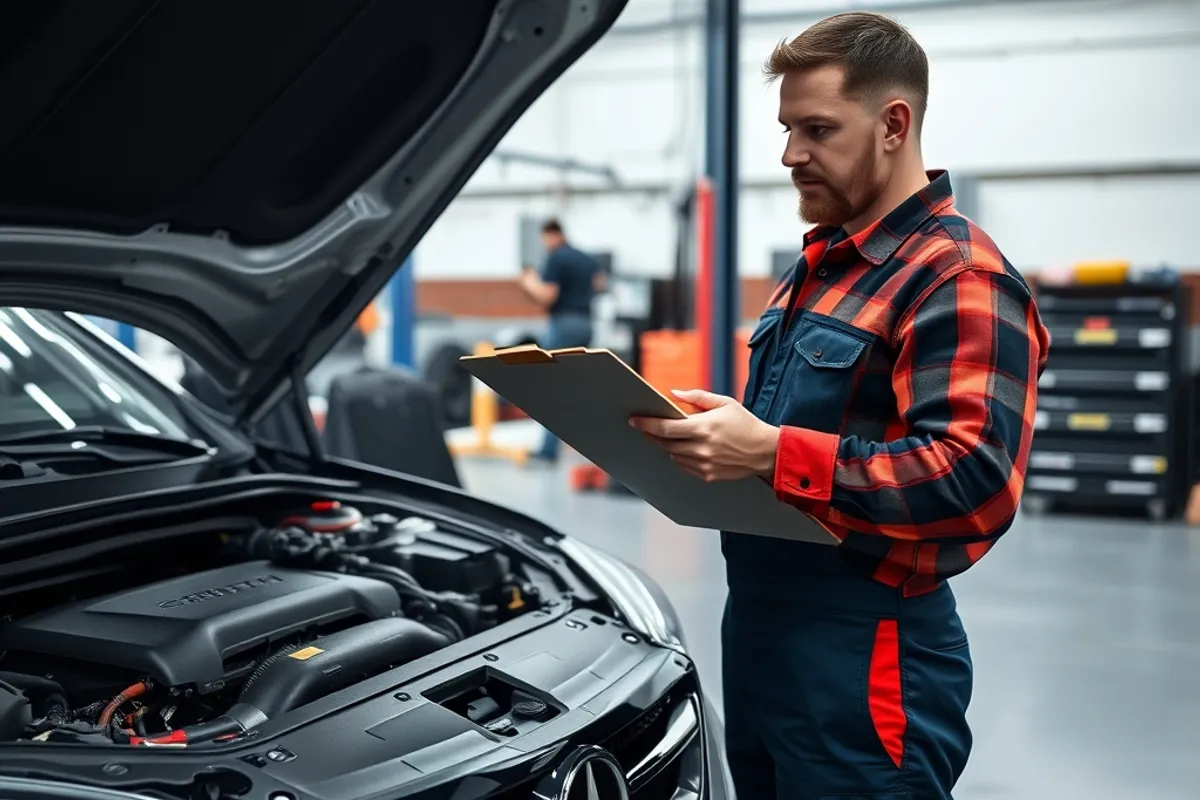
Car Maintenance Checklist 2026: 12 Checks That Save Money
Most breakdowns start as small, cheap problems nobody checked. These twelve jobs keep a car reliable without turning maintenance into a hobby.
Most breakdowns are not sudden. They begin as a slow leak, a tired battery or a tire losing a few pounds a month, and they become expensive only because nobody looked. A short, repeatable checklist catches those problems while they are still cheap, and it takes less time than a single service appointment.
This guide is the schedule we use on our own cars in 2026. It separates the jobs you can do in ten minutes at home from the ones that need a lift, and it gives realistic prices so you can tell when a workshop quote is fair.
Why a checklist beats a repair bill
A modern car gives you warning before most failures, but the warnings are easy to ignore: a slight vibration, a longer crank, a puddle where you parked. Checking the same dozen items on a schedule turns those hints into decisions. You replace a battery on a quiet Saturday instead of calling a tow truck on a motorway shoulder.
The financial case is just as clear. A brake pad set costs far less than a set of pads plus rotors, and a coolant top-up costs far less than a head gasket repair. The checklist is not about becoming a mechanic. It is about noticing early and describing the problem accurately when you do hand the car over.
Weekly checks that take five minutes
Walk around the car with the lights on and look for dark spots under the body. Check the tire pressures when the tires are cold, including the spare if you have one. Open the bonnet and look at the fluid levels through the plastic reservoirs, then check that the wipers are not torn and the washer bottle is full. Inside, confirm that every warning light goes out after the engine starts; a light that stays on is information, not decoration.
- Cold tire pressures, including the spare.
- Engine oil, coolant and washer fluid levels.
- Lights: headlamps, brake lights, indicators and reverse lamps.
- Wiper condition and washer spray.
- Any new leak or smell after parking.
Write the date and mileage in a notebook or a phone note. A written history makes resale easier and helps a workshop see patterns instead of guessing.
Monthly and pre-trip checks
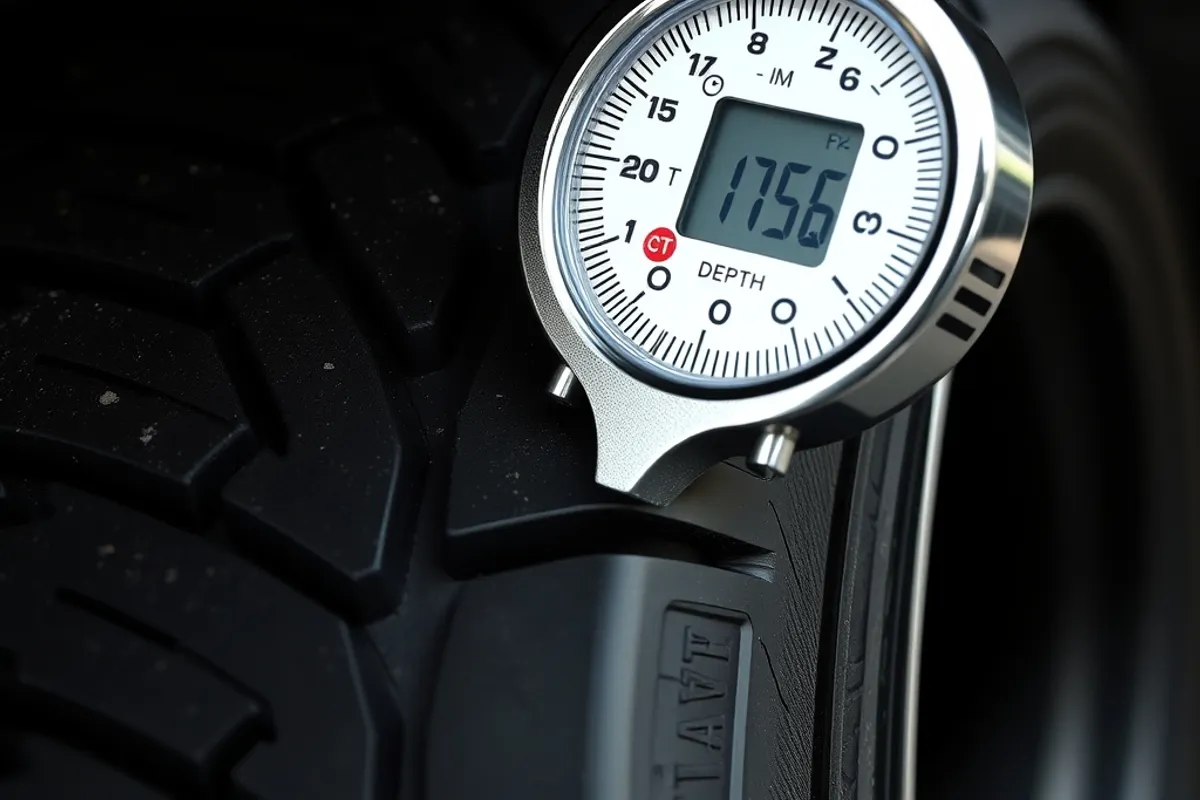
Once a month, look at the tire tread properly: use a gauge, not a coin. Check the spare's pressure, test the horn and inspect the belts for cracks or glazing. Clean the battery terminals if they show white powder, and make sure the battery hold-down is tight. Inside the cabin, test the air conditioning and the demister on a wet morning; both are safety systems in bad weather.
Before a long trip, add a check of the spare tire, the jack and the wheel brace. A spare that is flat or a jack that does not fit is worse than no spare, because it creates false confidence. If the car has run-flats, confirm the pressure warning system is working and know how far you can drive on a puncture.
Service intervals: what actually matters
Follow the owner's manual for oil and filter intervals, but adjust for use. Short city trips, dusty roads and frequent towing are "severe" conditions in most manuals, and they shorten the interval. A car that spends its life in traffic needs fresh oil sooner than one cruising at steady speed, even if the mileage looks the same.
Cabin and engine air filters are cheap and often overlooked. A clogged cabin filter fogs the windows and strains the blower; a dirty engine filter costs fuel. Brake fluid absorbs moisture over time, so replace it on the interval even if the pedal still feels fine. Coolant and transmission fluid are longer-lived, but they are not lifetime fills, whatever the marketing says.
Brakes, tires and the jobs worth delegating
You can check pad thickness through the wheel spokes, but replacing pads and machining rotors needs tools, torque figures and a safe lifting point. The same applies to brake fluid bleeding and suspension work. If you hear metal-on-metal braking, grinding, or the pedal sinks, stop driving and get the car inspected. For a full walkthrough of parts and prices, see our guide to brake pads and when to replace them.
The cheapest repair is the one you do before the warning light becomes a tow truck.
Elena Marsh
Tires deserve their own attention. Check the date code, not just the tread. Rubber ages even when the car sits, and a seven-year-old tire can fail with plenty of tread left. If the sidewalls are cracked or the car pulls to one side, get an alignment and a proper inspection. Our tire buying guide explains the ratings and the real cost of going cheap.
Seasonal and pre-winter checks
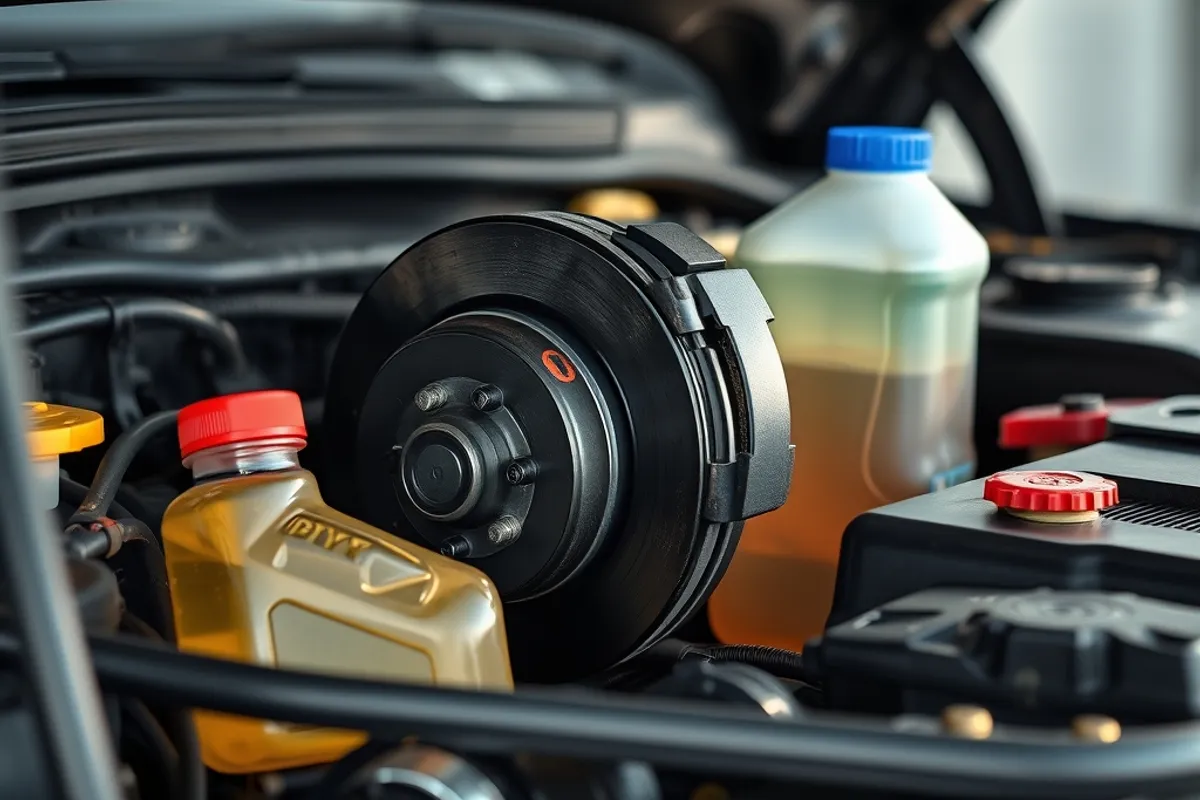
Before winter, test the battery properly; cold mornings expose a weak cell that started fine all summer. Check the coolant strength with a tester, replace tired wipers, and make sure the tires have enough tread for rain and slush. Keep a blanket, a torch and a charged phone cable in the car. In summer, check the cooling fan, the air conditioning and the tire pressures again, because heat raises them.
If you are shopping for a used car, the maintenance history is worth more than the shine. Our used car inspection guide shows what to check before you trust a seller's word.
What it costs and when to say no
DIY fluids and filters usually cost a fraction of a workshop visit, but the savings disappear if you strip a drain plug or fit the wrong oil. Keep receipts, use the specified grade, and do not skip the crush washer. A typical independent workshop charges for convenience and disposal, which is fair when the job needs a lift or a torque wrench.
Key facts
- Weekly: pressures, fluids, lights, leaks — about five minutes.
- Monthly: tread depth, belts, battery terminals, spare tire.
- Oil and filter: follow the manual, shorten for city or towing use.
- Brake fluid: replace on the interval even if the pedal feels normal.
- Delegate: brake hydraulic work, suspension and anything needing a lift.
Final word
A maintenance checklist is not a hobby, and it should not take over your weekends. Keep it short, write it down and act on what you find. For fuel-saving context and maintenance schedules from an independent source, the U.S. Department of Energy's vehicle maintenance guidance is a useful reference. The rest is consistency.