
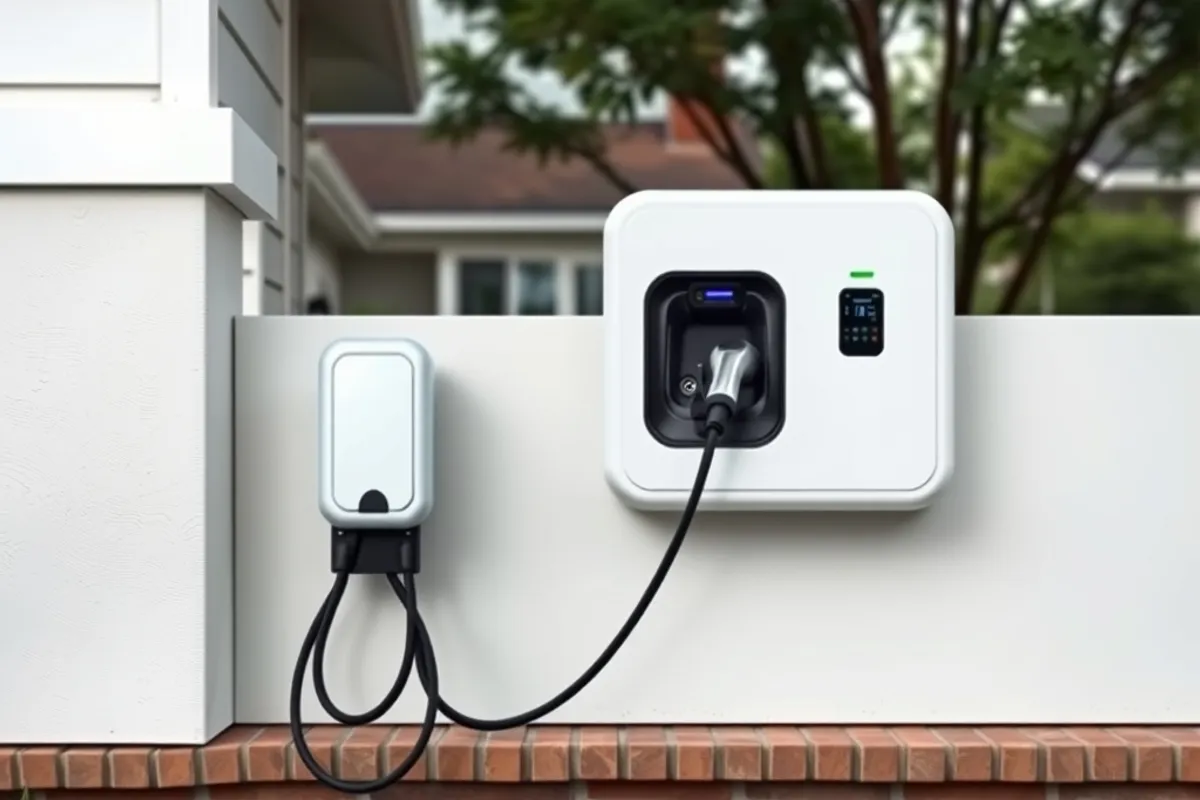
Home EV Charging Guide 2026: Costs, Speeds and Setup
Home charging is the reason electric cars work for most people. The installation, not the car, is where the surprises usually hide.
Home charging is the reason electric cars work for most people. You plug in overnight, wake up full, and skip the forecourt except on long trips. The car is the easy part; the installation is where the cost, the paperwork and the surprises usually live.
This guide walks through a typical home installation in 2026: charger types, realistic costs, the electrical checks that matter and the habits that keep the bill down. It assumes a house with off-street parking, which is the practical baseline for home charging.
What home charging really costs
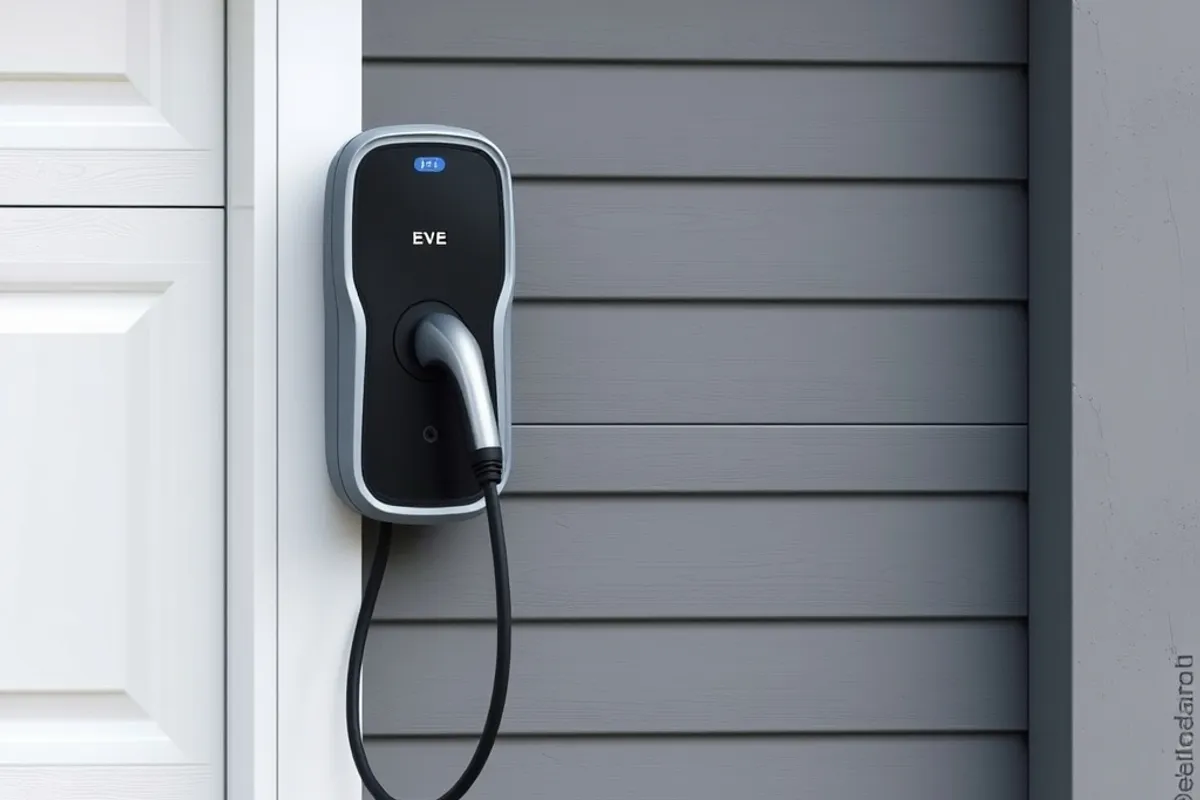
The charger itself is only part of the bill. A basic 7 kW wallbox costs a few hundred dollars, but installation can double that depending on cable length, isolation switches and whether your panel has spare capacity. Upgrading an old consumer unit or running a new supply can add significantly more. Get a fixed quote after a site visit, not a phone estimate.
Running costs depend on your electricity tariff. Off-peak charging can be a fraction of peak-rate power, and some utilities offer dedicated EV tariffs. A typical electric car needs roughly 15 to 20 kWh per 100 km, so a night at home often costs less than a tank of fuel. Do the arithmetic with your own tariff before you buy the car.
Charger types and speeds
A standard domestic socket charges slowly and is best treated as a backup. A dedicated 7 kW wallbox adds roughly 30 to 40 km of range per hour for many cars, which is enough to refill overnight. An 11 kW three-phase unit is faster but only useful if the car's onboard charger supports it; many do not.
- Domestic socket: 2.3 kW, slow, not ideal for daily use.
- Single-phase wallbox: 7 kW, the practical default.
- Three-phase wallbox: 11 kW, only if the car accepts it.
- DC fast charging: public only, not a home option.
Choose a charger with a tethered cable if you want convenience, or a socketed unit if you may change cars. Both work; the cable is the part that wears out.
Checking your electrical panel
Before buying anything, have a qualified electrician assess the supply. They will check the main fuse, the consumer unit, earthing and whether the load calculation leaves room for a continuous 7 kW draw. Older homes may need an upgrade, and some supplies cannot support a wallbox without load management.
Load management is a sensible alternative to a full upgrade: the charger reduces power when the house is busy and resumes when demand drops. It is not a downgrade; for many homes it is the cheaper, safer solution. Never install a wallbox on a circuit that was not designed for continuous load.
Installation, permits and incentives
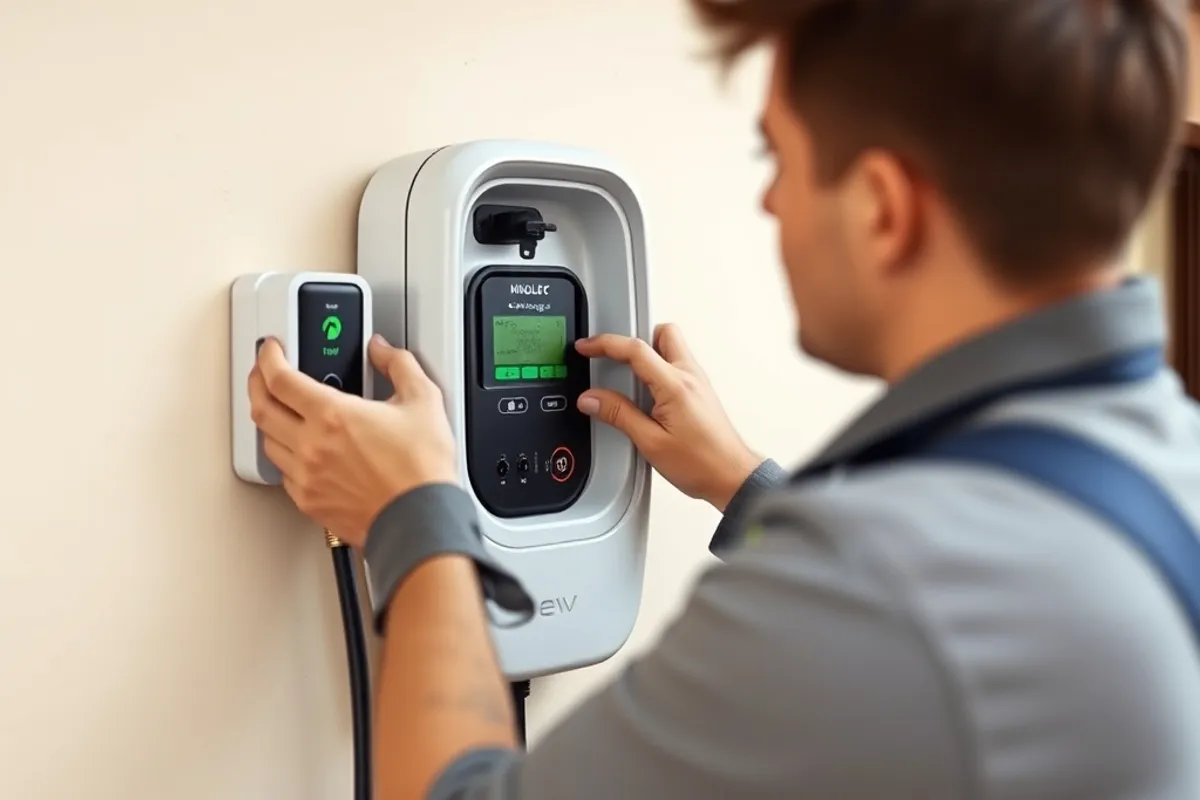
Installation usually takes half a day. The electrician mounts the unit, runs the cable, fits the protection and tests the circuit. In many regions you need a permit or a notification to the local authority, and the installer should handle it. Keep the certificate and the commissioning sheet; you may need them for insurance or resale.
Check for incentives before you buy. Many countries and regions offer grants or tax relief for home chargers, sometimes tied to smart-charging capability. The rules change, so verify the current scheme with an official source rather than a retailer. A charger that qualifies for a grant may cost less than a cheaper unit that does not.
The cheapest charger is not the one with the lowest sticker price; it is the one that fits your supply and your tariff.
Maya Chen
Smart charging and tariffs
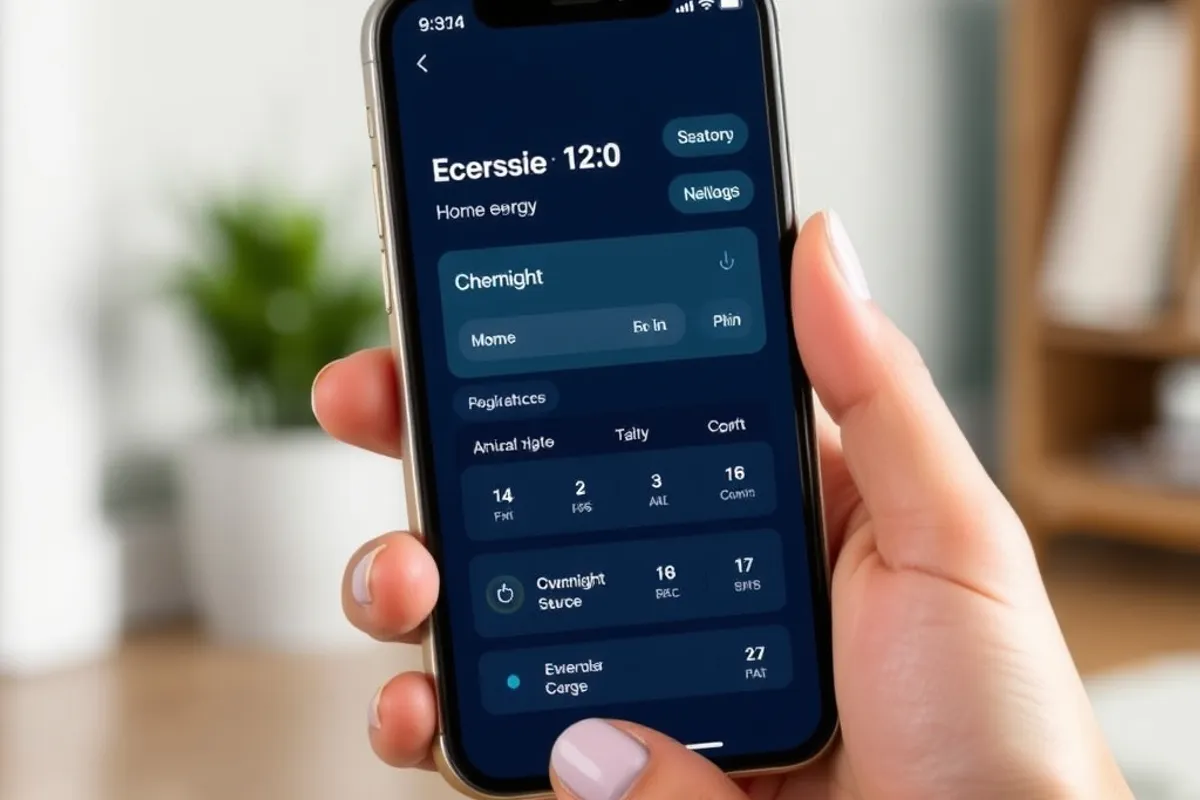
A smart charger can schedule charging for off-peak hours, pause when the house needs power and report energy use. Some utilities pay you to shift charging away from peak demand. The savings are modest per night but add up over a year, and the scheduling protects the grid as more cars plug in.
Set the car's charge limit to 80 percent for daily use if it uses a lithium-ion pack, and schedule the finish time for when you leave rather than the start time. That keeps the battery in a comfortable range and takes advantage of the cheapest hours. Use the car's app and the charger's app together; one may override the other.
Living with home charging
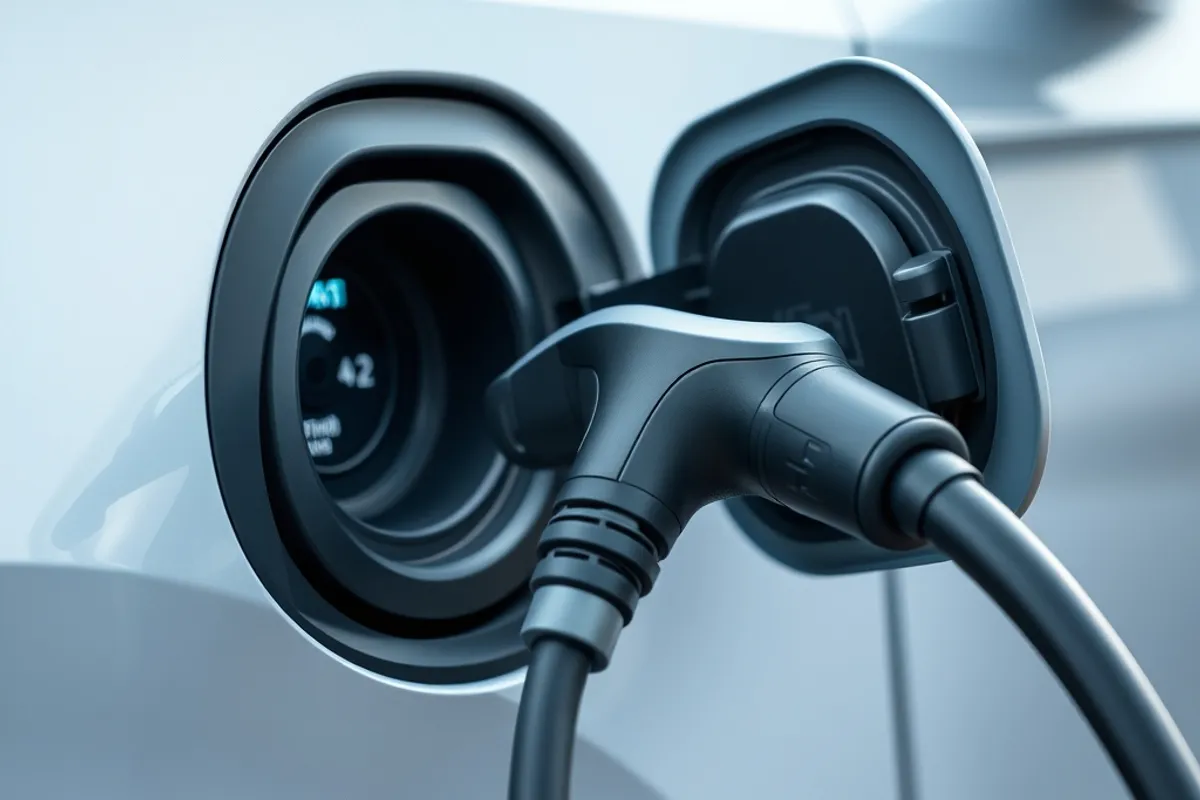
Keep the cable tidy and off the ground to avoid tripping and wear. Check the plug and socket for heat after a long charge; warmth is normal, hot plastic is not. In cold weather, pre-condition the cabin while still plugged in so the battery does not pay for heating. If you park outside, choose a unit rated for the weather and mount it under cover where possible.
Home charging does not remove the need for public charging on long trips, but it changes the economics. Most weeks you will never visit a fast charger. If you are still deciding between electric and petrol, our EV battery health guide explains what ownership does to range over time, and our maintenance checklist covers the jobs an EV still needs.
Key facts
- 7 kW is the practical home default; 11 kW needs a compatible car.
- Installation can cost as much as the charger; get a fixed quote.
- Load management can avoid a costly panel upgrade.
- Off-peak tariffs cut running costs more than charger choice.
- Charge to 80 percent daily and schedule to finish before departure.
Final word
Home charging is a one-time project with a long payoff. Get the electrical survey first, choose a charger that matches your car and supply, and use the tariff rather than fighting it. For independent context on efficient home energy use, the U.S. Department of Energy's Energy Saver guidance is a useful reference.