
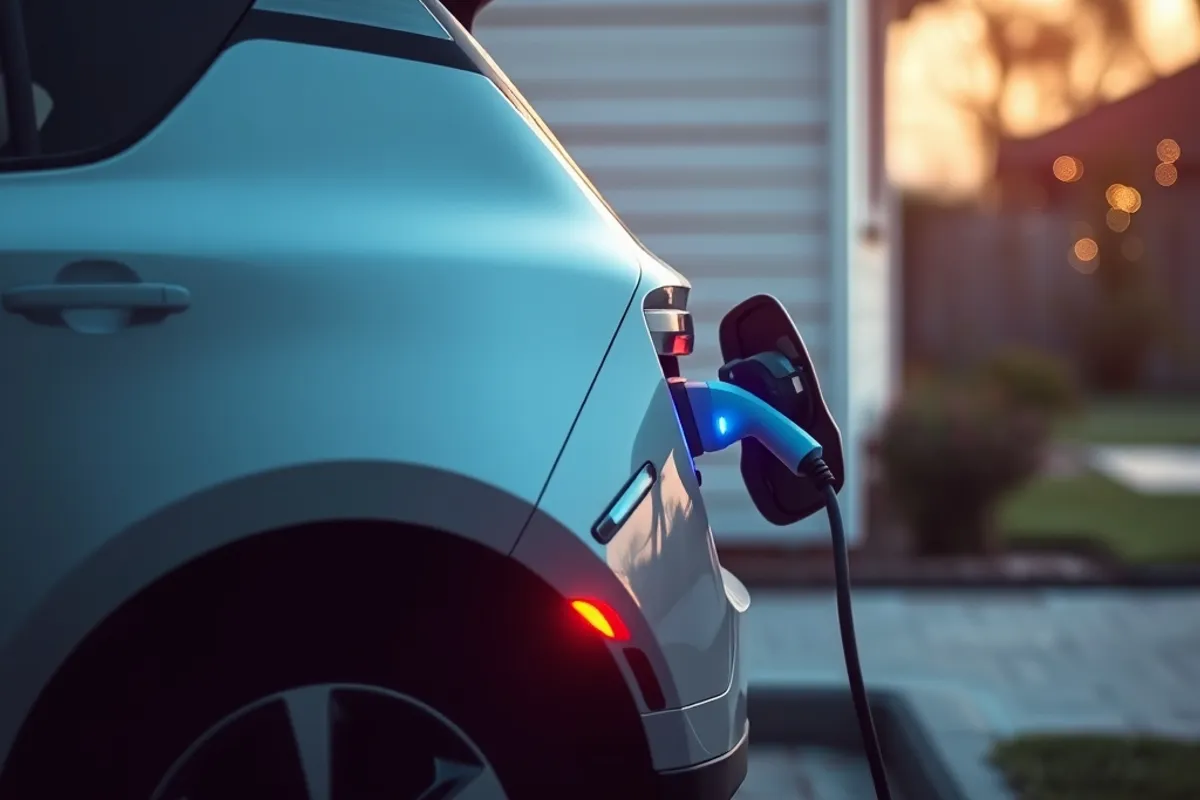
EV Battery Health: 8 Habits That Extend Range and Life
Electric car batteries age slowly if you avoid a few habits. None of them require special equipment, and most save money as well as range.
Electric car batteries age slowly if you avoid a few habits. None of them require special equipment, and most save money as well as range. The chemistry is different from a phone battery, but the principles are similar: avoid extremes, avoid unnecessary heat and do not leave the pack sitting full for weeks.
This guide covers the eight habits that matter most in 2026, based on manufacturer guidance and real ownership patterns. It is written for drivers who want the car to still deliver useful range after five or eight years, not just on the first test drive.
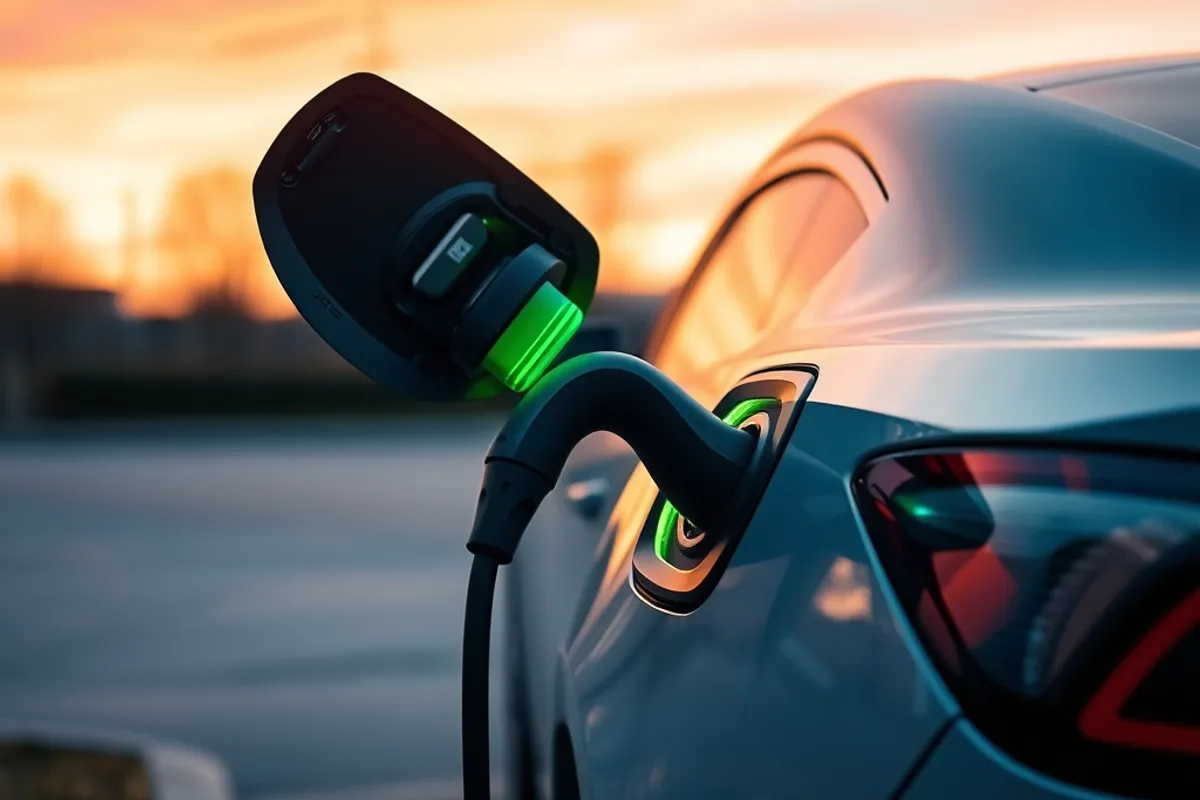
How EV batteries age
A lithium-ion pack loses capacity through cycling, time and heat. The first year often shows the largest drop, then the decline flattens. Most modern packs are warranted for eight years or around 160,000 km to retain a stated percentage of capacity, usually 70 percent. How you charge and where you park can shift that curve in your favour.
Battery management systems hide some of the loss by reserving top and bottom buffers, which is why the usable capacity is smaller than the gross figure. You cannot control chemistry, but you can control the conditions the pack lives in.
Daily charging habits
1. Keep daily charging at 80 percent
For cars with nickel-rich lithium-ion cells, a daily ceiling of 80 percent reduces the time the pack spends at high voltage. Charge to 100 percent only before a long trip, and do not leave it there for days. Cars with lithium iron phosphate (LFP) batteries are more tolerant of full charging and often recommend 100 percent periodically for calibration; follow the manual for your chemistry.
Set the limit in the car, not just the charger. If both have schedules, make sure they do not conflict. A car that quietly resets to 100 percent after a software update will undo the habit.
2. Avoid deep discharges
Running to zero is harder on the pack than topping up regularly. Treat 20 percent as a soft floor for daily use, and plan public charging before the warning appears. If the car has been sitting at a very low state of charge, charge it soon rather than leaving it there for weeks.
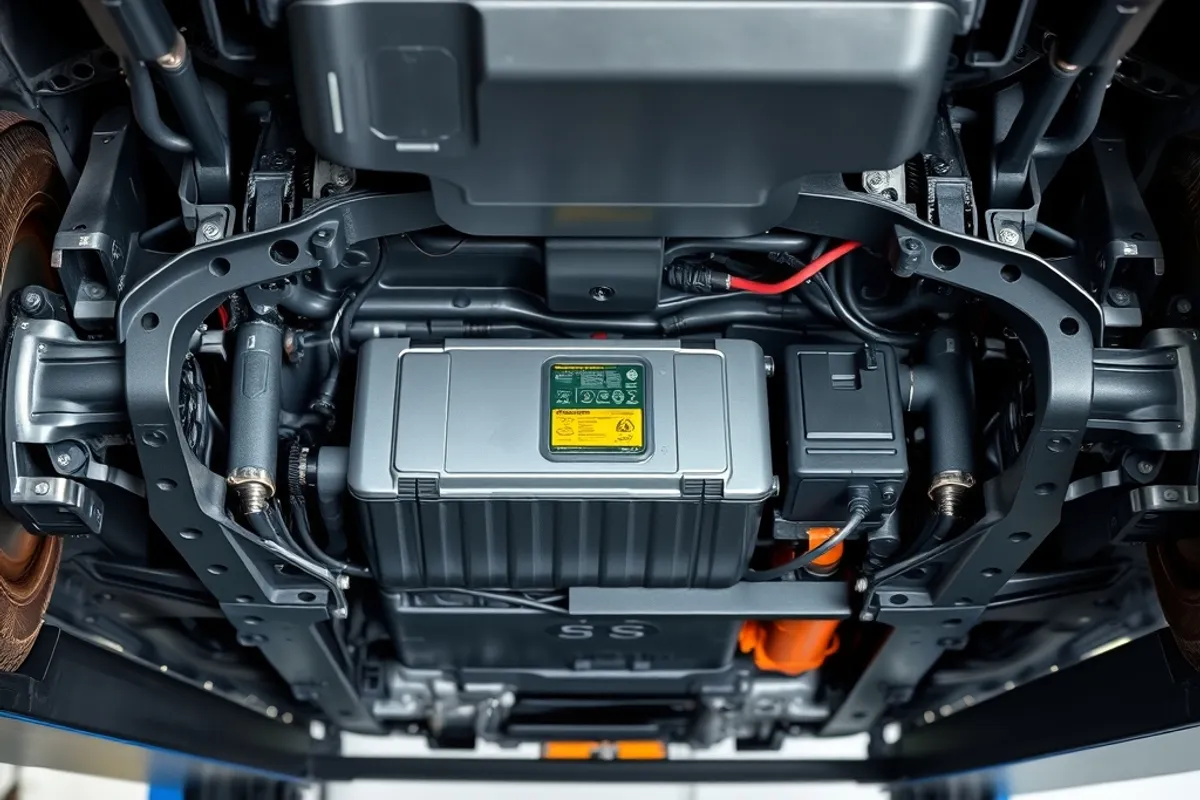
Fast charging and heat
3. Do not fear fast charging, but do not rely on it
Occasional DC fast charging is fine; the car manages the current and the temperature. Frequent fast charging in hot weather, especially to a full battery, adds stress. For daily use, home or workplace AC charging is gentler and cheaper. On a road trip, charge in the middle of the pack where the speed is highest and stop before 90 percent if you can.
Preconditioning the battery before a fast charge, if the car offers it, improves speed and reduces stress. Let the navigation system handle it when you route to a charger.
4. Park in the shade when it is hot
Heat is the biggest accelerant of battery aging. A car parked in direct sun on a hot day can reach temperatures that push the cooling system hard. Shade, a garage or a carport makes a measurable difference over years. In freezing weather, a plugged-in car can use grid power to keep the pack warm, which also protects range.
Battery care is mostly climate care: keep it cool, keep it moderate, and do not leave it full.
Owen Hart
Storage, weight and settings
5. Store at a moderate charge
If the car will sit for weeks, leave it around 50 percent rather than full or empty. Check the manual for the exact recommendation; some brands prefer 50 percent, others allow a range. If you store for months, arrange a top-up or leave it plugged in with a maintenance schedule if the car supports one.
6. Watch the tires and the weight
Range is not only about the battery. Under-inflated tires, a roof box and a heavy load all increase consumption. Keep pressures at the recommended level and remove unnecessary weight. These changes do not stop degradation, but they preserve the range you have and reduce the cycles you need.
- Check tire pressures monthly, cold.
- Remove roof bars when not in use.
- Use eco mode on long, steady trips.
- Precondition while plugged in.
- Park in shade or a garage where possible.
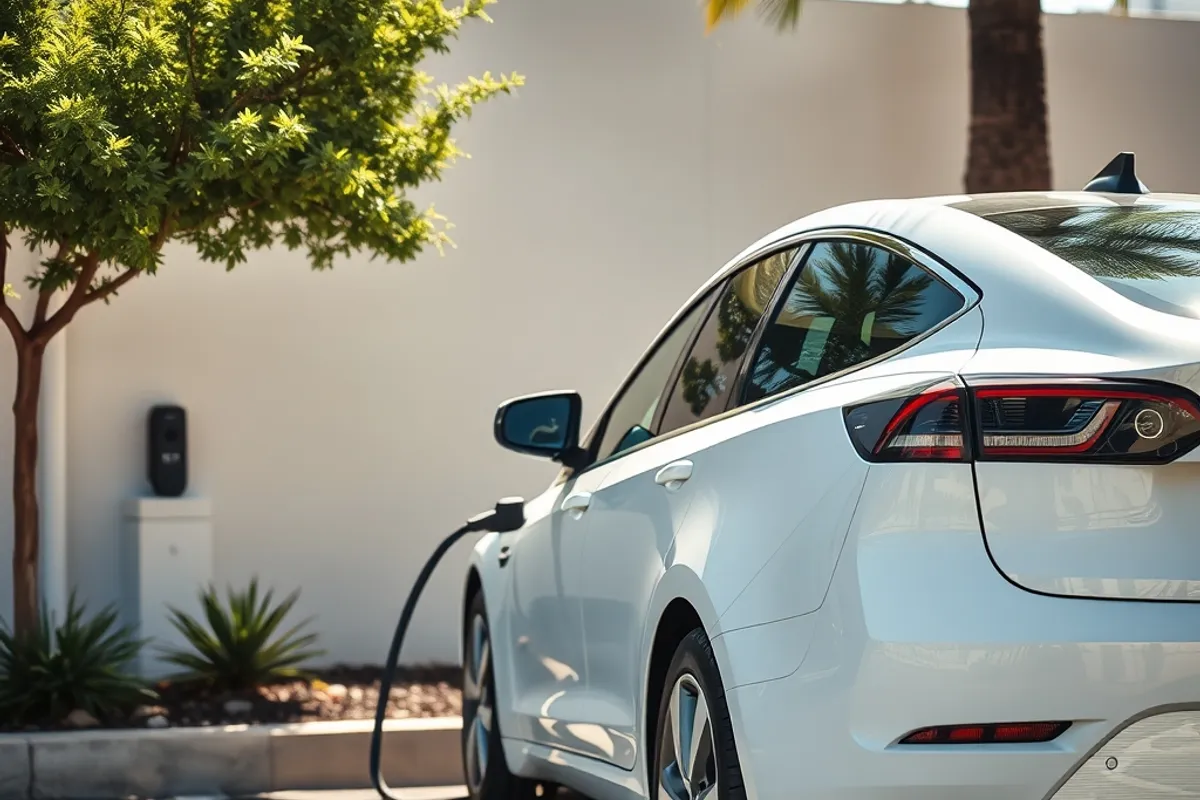
7. Use the car's thermal and charge settings
Most EVs let you schedule departure, limit charging current and precondition the cabin. Use them. Departure scheduling means the pack is not left full overnight, and cabin preconditioning while plugged in saves range. If the car has a battery heater, use it in freezing weather before a fast charge.
Software updates can change charging behaviour. After an update, recheck your charge limit and schedule. If range drops suddenly, ask the dealer to read the battery health report rather than trusting the dashboard estimate alone.
Buying with battery health in mind
If you are shopping used, ask for a state-of-health report and check the warranty terms. A car that was fast-charged daily in a hot climate may show more degradation than one charged overnight at home. Our used car inspection guide covers the broader checks, and our home charging guide explains how to set up gentler charging from day one.
Key facts
- Daily ceiling: 80 percent for most lithium-ion packs.
- Charge before 20 percent; avoid leaving it near empty.
- Heat ages batteries faster than occasional fast charging.
- Store long-term at around 50 percent.
- Follow the manual for LFP versus nickel-rich chemistry.
Final word
You do not need to baby an electric car, but you should avoid the extremes. Charge to 80 percent, park in the shade, do not leave it full or empty for weeks and use the car's scheduled charging. For independent background on battery technology and materials, the U.S. Environmental Protection Agency's Green Vehicle Guide is a useful reference.