
ADAS Explained: How Driver-Assist Systems Work in 2026
Driver assistance is standard on even modest new cars, yet most owners never learn what it can and cannot see. The difference matters.
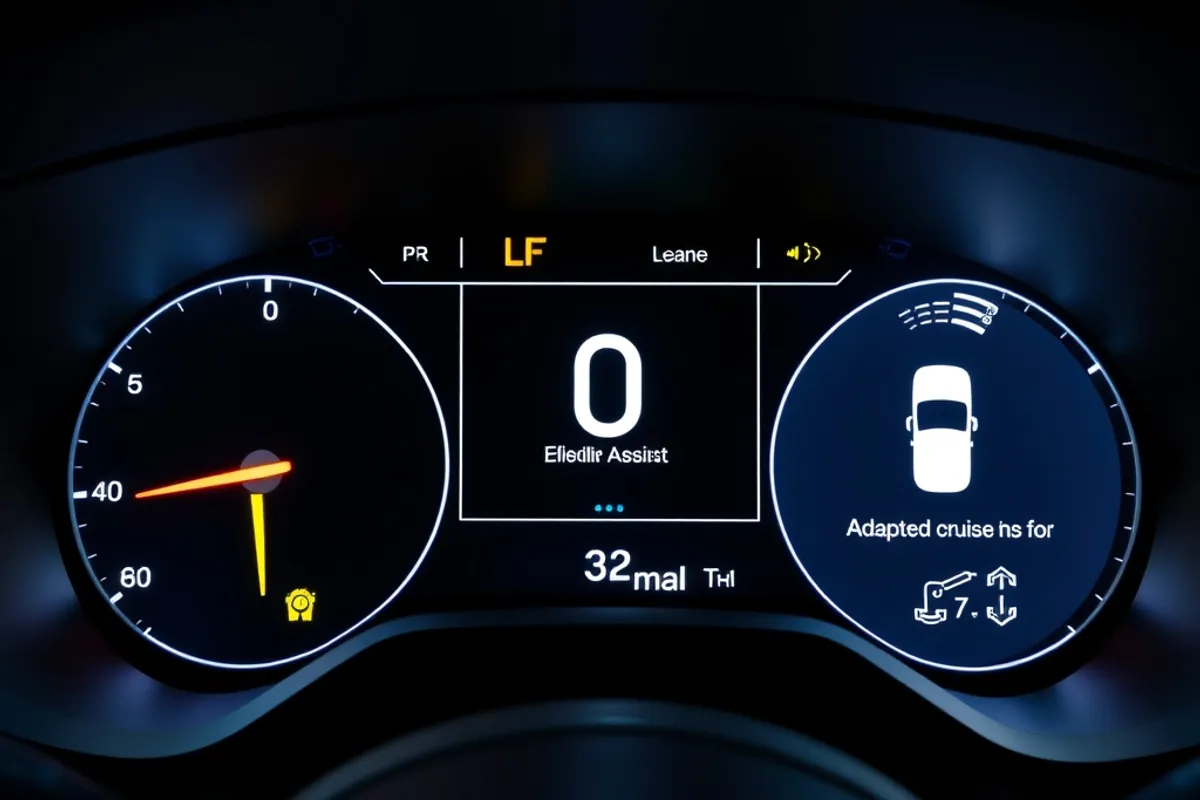
Driver assistance is now standard on even modest new cars, yet most owners never learn what the systems can and cannot see. Adaptive cruise keeps a gap, lane keeping nudges the wheel, and automatic braking watches the road ahead. Used well, they reduce fatigue and prevent low-speed crashes. Used as a substitute for attention, they create new risks.
This guide explains what the main ADAS features do in 2026, how their sensors differ, and the situations where they are most likely to miss something. It is written for drivers who want to use the technology properly rather than switch it all off.
What ADAS actually includes
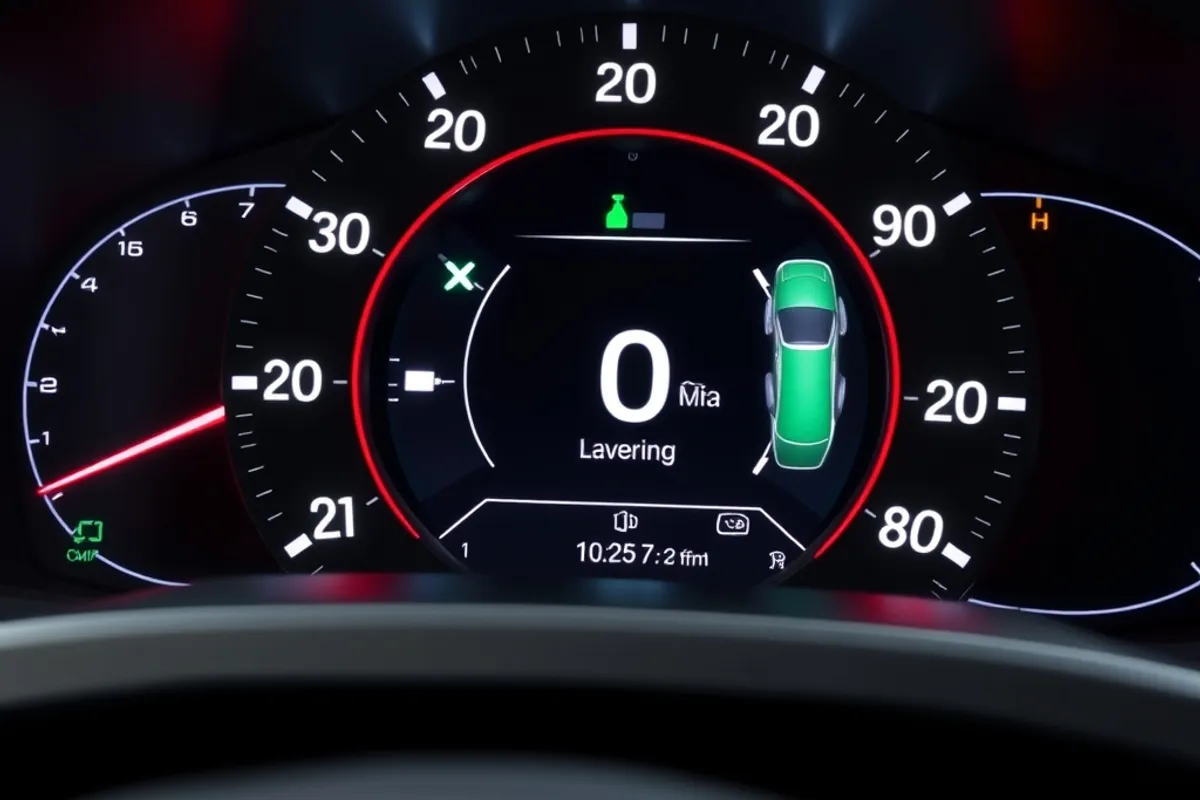
ADAS stands for advanced driver assistance systems, a broad label that covers several different jobs. Adaptive cruise control maintains a set speed and a following distance. Lane keeping assists steering to stay inside a marked lane. Automatic emergency braking detects an imminent collision and applies the brakes if the driver does not. Blind-spot monitoring warns about vehicles beside you, and rear cross-traffic alert covers the area behind when reversing.
Not every car with "safety pack" on the window sticker includes all of them. Some systems only warn; others intervene. Read the specification carefully, and check whether the feature was standard or part of an optional pack on the exact trim you are buying.
How the sensors see the road
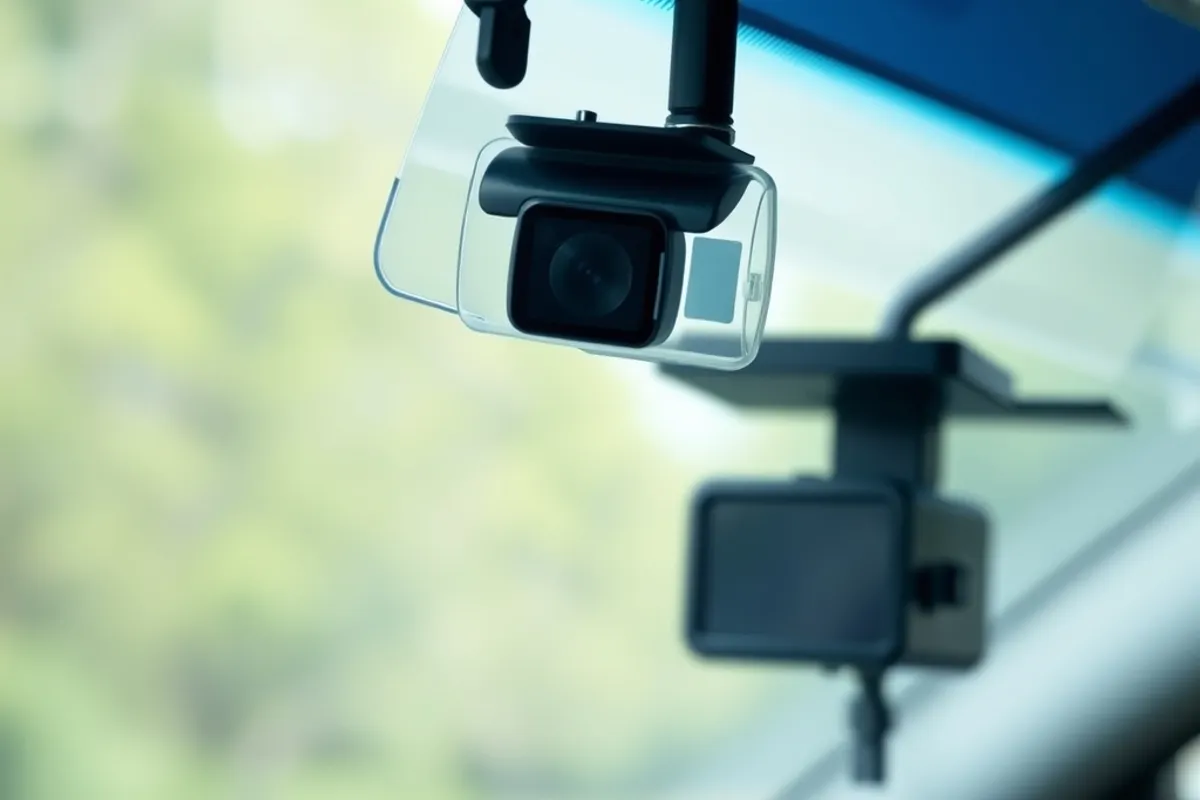
Most systems combine a forward camera with radar, and increasingly with ultrasonic sensors and lidar. The camera reads lane markings, signs and shapes; radar measures distance and relative speed; ultrasonics handle low-speed parking. Each sensor has blind spots. Cameras struggle with low sun, heavy rain, snow and dirt. Radar can struggle with stationary objects and tight curves. Lidar adds detail but is still rare outside premium cars.
Adaptive cruise and lane keeping
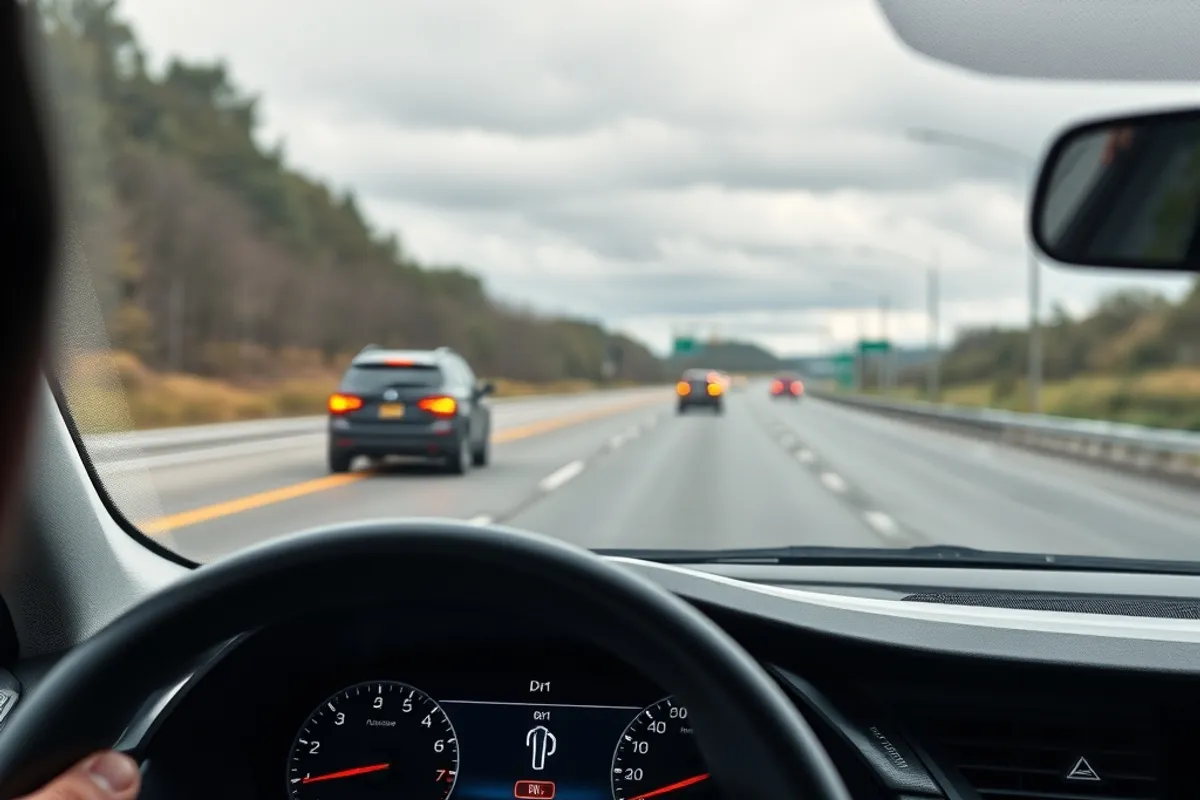
Adaptive cruise is genuinely useful on a motorway: it holds a gap and slows smoothly when traffic builds. It is less suited to winding roads, where it may brake late for a corner or lose the car ahead. Lane keeping works best on clearly marked roads. In roadworks, worn paint or snow, it can drop out without much warning, and some systems will disengage entirely rather than guess.
Both features expect a driver who is still driving. Keep your hands on the wheel, your eyes up the road and your foot ready to take over. Do not use them to read a phone or eat breakfast; the systems are not designed for that, and the driver monitoring cameras increasingly say so.
Automatic emergency braking
AEB is the feature with the strongest evidence behind it. It can prevent or soften rear-end collisions, especially at low speed. It is not a guarantee: it may not detect pedestrians at night, cyclists in certain angles, or a stopped vehicle at high speed. It also may not work if the sensor is blocked by mud, ice or a sticker.
Treat AEB as a backstop, not a braking strategy. Keep a sensible gap and brake early. If the system activates unexpectedly, have the sensor and software checked; false activations are rare but should be investigated.
Driver assistance is a second pair of eyes, not a second driver.
Priya Shah
Where the systems fail
The common failure modes are boring and predictable: bad weather, dirty sensors, faded lane markings, low sun, roadworks and unusual obstacles. A trailer, a motorcycle filtering between lanes or a child stepping out from between parked cars can all fall outside the system's expectations. Night driving and heavy spray reduce camera performance significantly.
There is also the human factor. Drivers who use assistance regularly can become less vigilant, a effect researchers call automation complacency. The fix is not to avoid the technology but to stay deliberate: set the gap, watch the road, and take over before the system asks.
- Keep the windscreen and sensors clean.
- Do not cover cameras with dash mats or stickers.
- Take over early in roadworks and bad weather.
- Check that warnings are enabled, not muted.
- Read the manual for the exact limits of your trim.
Using ADAS safely day to day
Spend ten minutes in a quiet car park learning the controls and the warning sounds. Set the following distance to a comfortable gap, not the closest setting. Turn on all the warnings the car offers. If a system feels unpredictable, have it checked rather than simply switching it off. When you buy a used car, confirm that the cameras and radar are calibrated and that no warning lights are hidden.
If you are comparing cars, look beyond the badge to the actual system. Our guide to car infotainment in 2026 explains how screens and menus affect daily use, and our family SUV picks note which assistance features come as standard. For a technical overview of the categories, the Wikipedia entry on ADAS is a reasonable starting point.
Key facts
- Camera plus radar is the common sensor set; each has limits.
- AEB is a backstop, not a substitute for braking early.
- Lane keeping needs clear markings and can drop out silently.
- Clean sensors matter more than any setting.
- Learn the controls before you rely on them.
Final word
ADAS is worth having, and it is worth understanding. The systems reduce the chance of a common crash, but they do not remove the driver's job. Learn what your car can see, keep the sensors clean, and stay ready to take over. That combination is safer than either the technology or the driver alone.