Best Family SUVs 2026: 10 Tested Picks for Real Life
A family SUV has to survive school runs, holiday luggage and a narrow parking bay. These ten do the boring jobs well.
A family SUV has to survive school runs, holiday luggage, a narrow parking bay and a child seat fitting in the rain. The best ones do the boring jobs well: easy access, honest space, predictable safety and running costs that do not punish you at every fill-up.
We looked at ten models that families actually buy in 2026, judged on space, safety equipment, fuel or electricity use and the cost of everyday ownership. Prices vary by market, so we focus on what you get rather than a single sticker figure.
What makes a family SUV worth buying
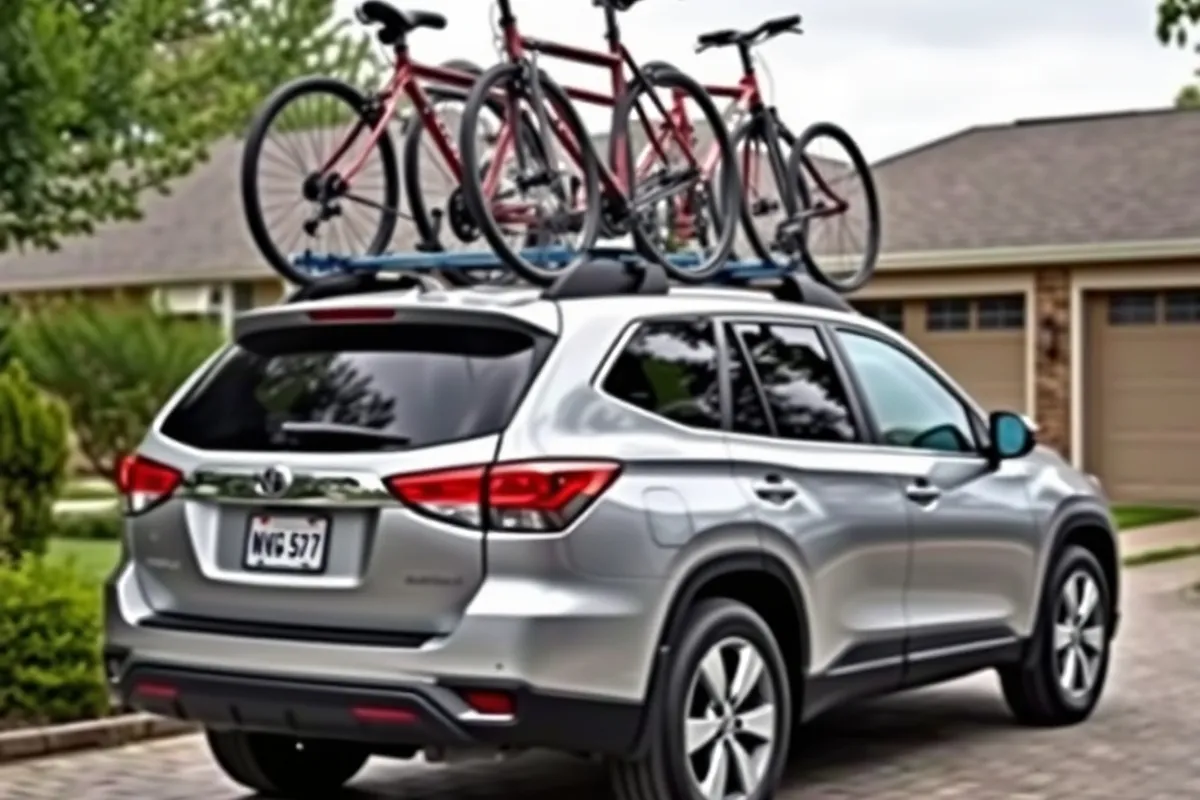
Space is the headline, but access matters just as much. A car with a huge boot and a high load lip is less useful than one with a flat floor and a wide opening. Rear doors that open close to 90 degrees make child seats easier. A low roofline looks sporty and makes a roof box awkward; a boxy shape is boring and useful.
Safety equipment should be standard, not optional. Look for automatic emergency braking, blind-spot monitoring, rear cross-traffic alert and a full set of airbags. Check the crash-test rating for the exact model year, not the previous generation. A five-star result from three years ago is not the same car.
Space, seats and the third row
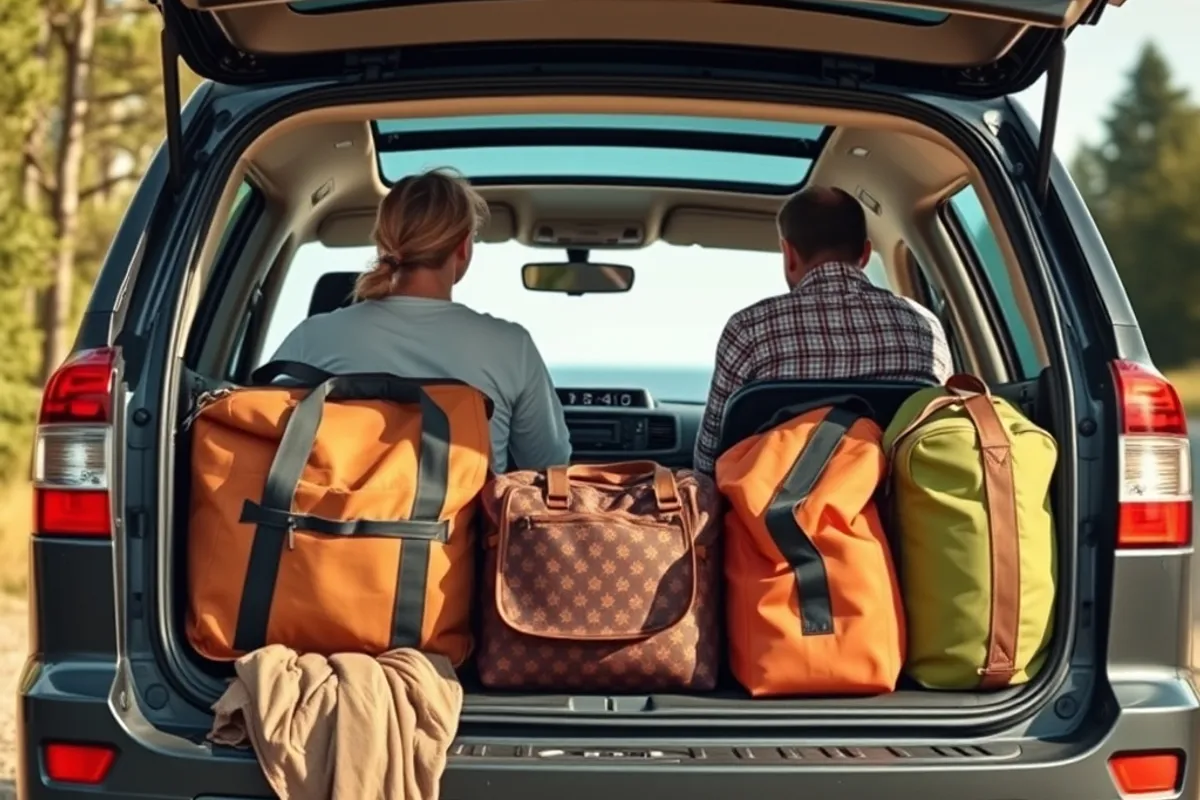
Five-seat SUVs are the sweet spot for most families. Seven-seat versions are useful only if the third row is for occasional use; adults will not thank you on a long trip. Check the boot with all rows up, because a seven-seater with no luggage space is a compromise, not a solution.
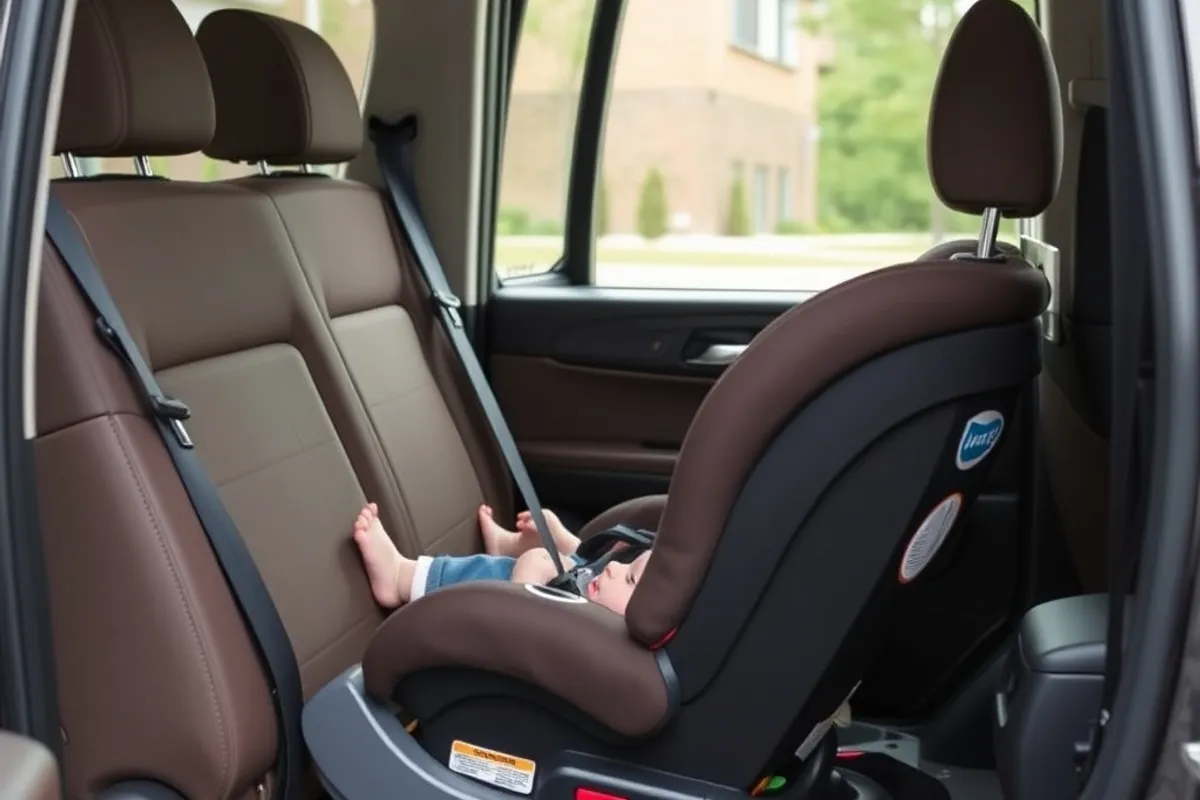
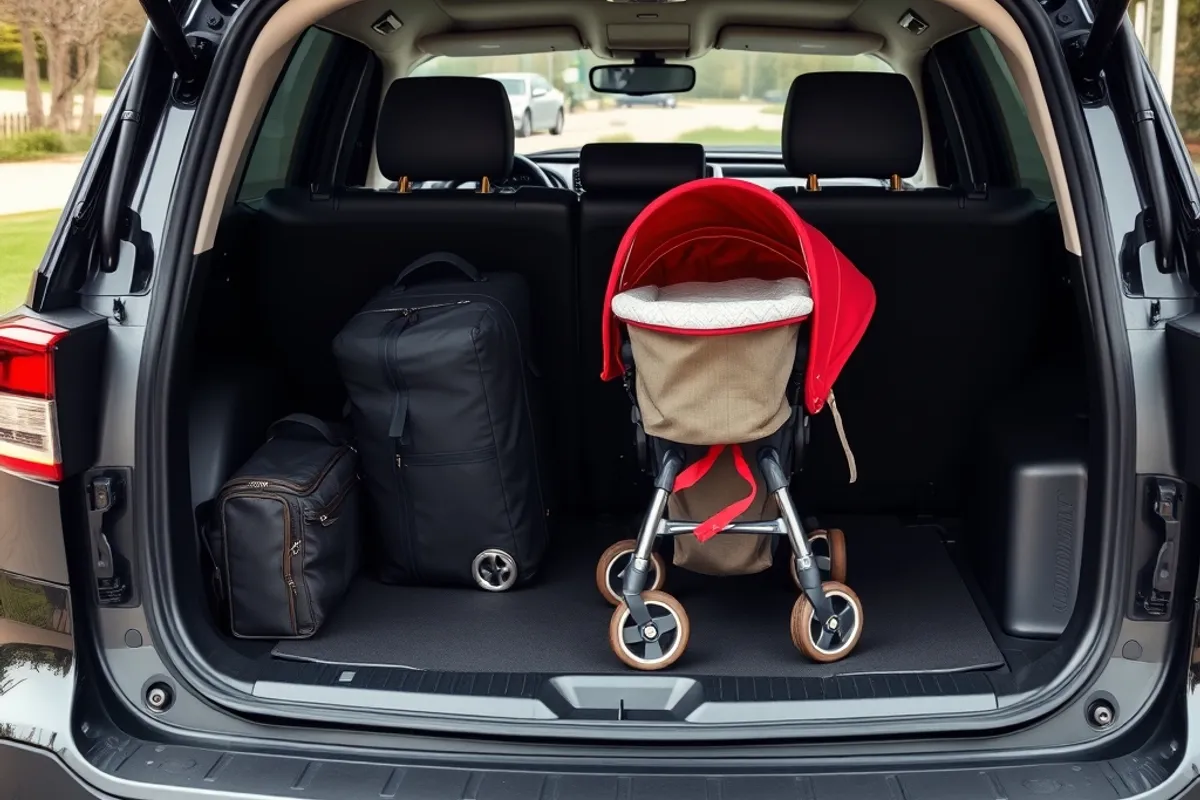
Bring your own child seats and a buggy to the test drive. Fit them before you sign. Check the ISOFIX points, the tether anchors and whether the middle seat is usable with two child seats installed. Some SUVs are wide on paper but too narrow in the second row for three seats.
Safety and driver assistance
Family cars spend a lot of time in traffic and car parks, where low-speed crashes are common. Rear cross-traffic alert and a reversing camera earn their place. Adaptive cruise and lane keeping reduce fatigue on longer trips, but they are not a reason to pay for a top trim if the budget is tight; the core safety features matter more.
Check that the assistance systems can be adjusted and switched off. A lane-keeping system that tugs the wheel on narrow roads is tiring. Our ADAS guide explains what each feature does and where it can fail.
Running costs families actually feel
Fuel or electricity, tires, insurance and servicing decide the real cost. A petrol SUV with a small turbo engine can be economical on a run and thirsty in town. A hybrid is at its best in stop-start traffic. An electric SUV is cheap to run at home but needs charging access; if you cannot charge overnight, the maths changes.
- Fuel or electricity cost at your real tariff.
- Insurance group and repair costs.
- Tire size and replacement price.
- Service intervals and dealer labour rates.
- Depreciation over three to five years.
The best family SUV is the one that makes a normal Tuesday easier, not the one that wins a drag race.
Sofia Alvarez
The ten picks for 2026
1. Compact hybrid crossover. The default for a small family: easy to park, cheap to run in town and big enough for a weekly shop. Check rear legroom before you commit.
2. Mid-size petrol SUV. More space and a bigger boot, with simple mechanicals and wide dealer coverage. Fuel costs rise on short trips.
3. Plug-in hybrid SUV. Excellent if you charge daily and mostly drive short distances; expensive and thirsty if you never plug it in.
4. Electric family SUV. Quiet, cheap to run and quick, but choose one with a realistic range and a heat pump if winters are cold.
5. Seven-seat MPV-style SUV. The most usable third row in the group, at the cost of styling and a little efficiency.
6. Estate-based crossover. A wagon body with a raised ride height often beats an SUV for boot space and handling.
7. Compact off-roader. Ideal for rural families who need ground clearance; heavier and less efficient on tarmac.
8. Used premium SUV. More comfort for the money, but budget for maintenance and insurance. Our used car inspection guide is essential here.
9. Small electric crossover. The cheapest electric family option to buy and run, with a small boot and limited rear space.
10. Long-wheelbase family SUV. The pick for three child seats or regular adult passengers in the back, if you can live with the size.
What to avoid
Be wary of a used seven-seater with a tired third row, a sporty trim with stiff suspension and expensive tires, and any car whose service history is missing. A cheap SUV that needs a timing belt, tires and brakes in the first year is not cheap. Check the insurance quote before you buy, not after.
If you are buying used, budget for a pre-purchase inspection by a mechanic who knows the model. For official buying guidance and complaint data, the U.S. government's car buying page is a reasonable starting point.
Final word
Choose the SUV that fits your parking space, your charging access and your most common trip. Then check the safety equipment and the cost of tires. The best family car is not the largest one you can afford; it is the one you can live with every day without resentment.
Key facts
- Five seats suit most families; a third row is occasional use.
- Fit your own child seats before buying.
- Standard AEB and blind-spot monitoring beat a bigger screen.
- Charging access decides whether an electric SUV makes sense.
- Budget for tires, insurance and a pre-purchase inspection.