Used Car Inspection Guide: 15 Checks Before You Buy
A used car can look clean and still hide a five-figure repair. Fifteen minutes of checking, in the right order, changes the odds.
A used car can look clean and still hide a five-figure repair. The difference between a good buy and a bad one is usually not luck; it is checking the right things in the right order, and being willing to walk away.
This guide lists fifteen checks you can do before you buy, from the paperwork to the test drive. It assumes you are viewing the car in daylight, with the seller present and the engine cold. Bring a torch, a tire gauge and a magnet.

1. Check the paperwork before the paint
Match the VIN on the windscreen, the door jamb and the documents. Check the service history for gaps and repeated failures, and confirm the mileage against MOT or inspection records. A car with no history is not automatically bad, but it should be cheaper and inspected more carefully.
Ask about outstanding finance, insurance write-offs and accident repairs. In many markets you can check these through an official register. If the seller is vague, walk away; there are other cars.
2. Inspect the exterior in daylight
Look along the panels at a low angle for ripples, mismatched paint and uneven gaps. A magnet will not stick to filler, which reveals repaired panels. Check the bumpers, wheel arches and sills for rust, and look under the mats for damp. Fresh underseal can hide corrosion; ask why it was applied.
Open and close every door, the boot and the bonnet. They should close with a consistent sound and align without force. Check the windscreen for chips and the lights for cracks or condensation.
3. Look under the bonnet
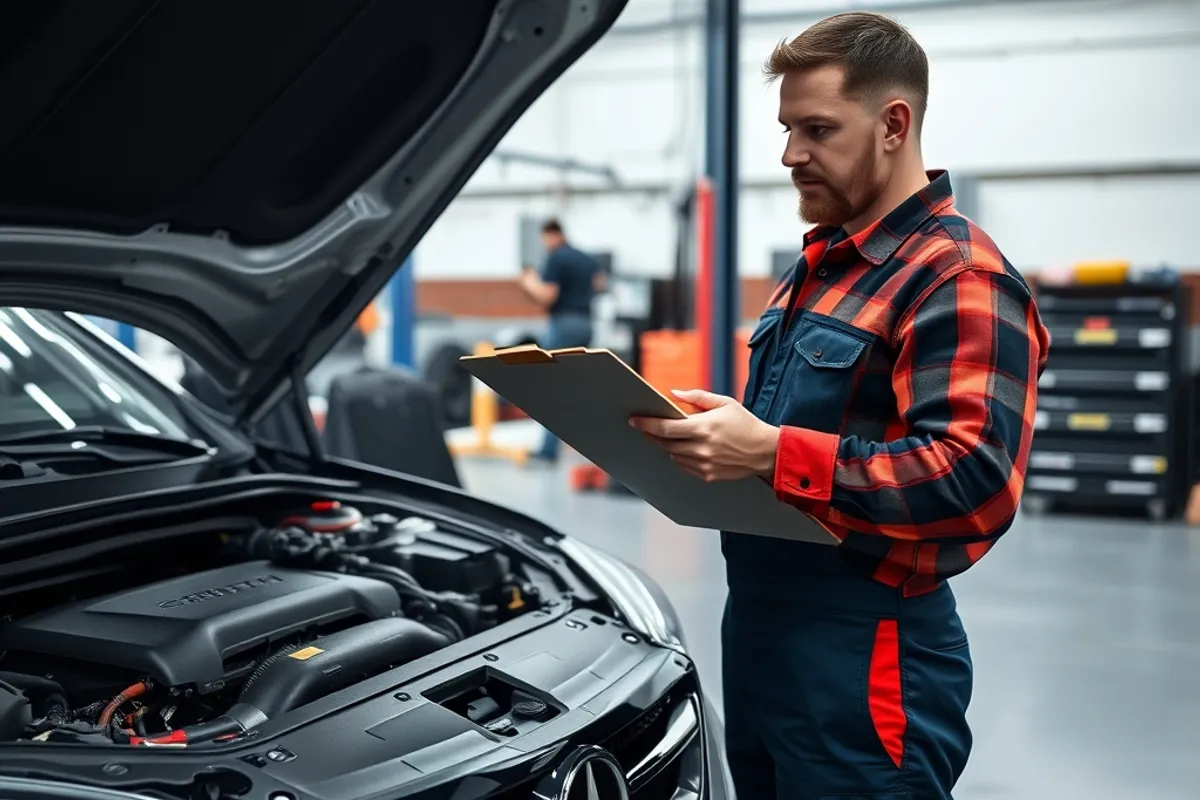
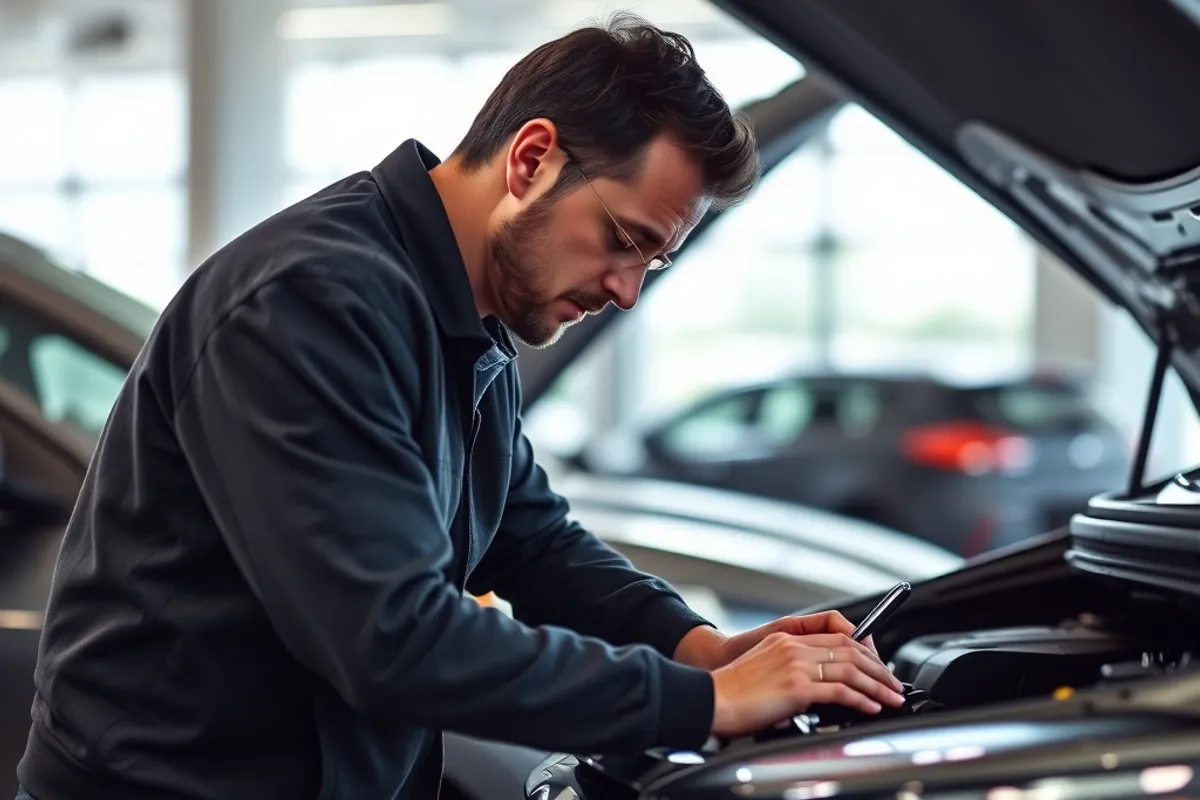
Check the oil on the dipstick: black is normal, milky is not. Look at the coolant for oil contamination and the brake fluid level. Inspect the belts for cracks and the hoses for soft spots. Look for fresh oil around the head gasket and the sump. A clean engine bay is nice, but a freshly steam-cleaned one can hide leaks.
4. Tires, brakes and suspension
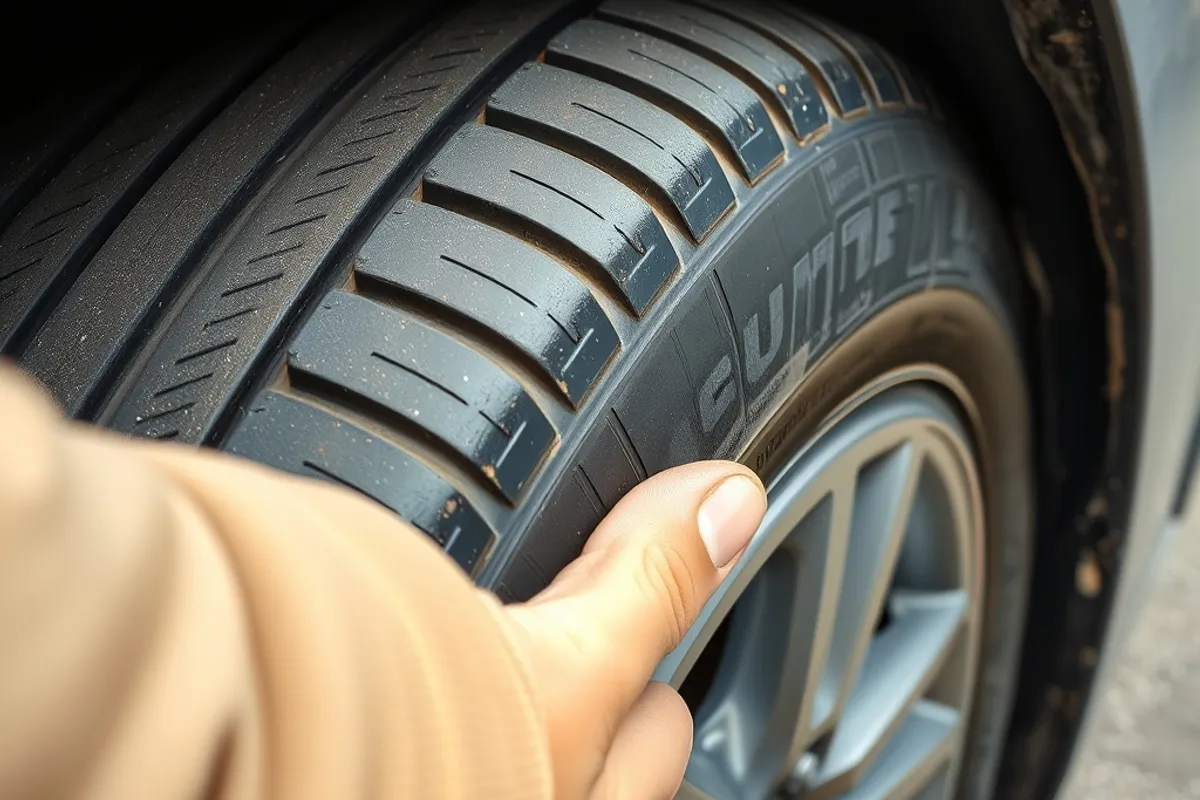
Check the tread depth across each tire and look for uneven wear; our tire buying guide explains the ratings and the wear patterns to watch. Matching budget tires on a premium car suggest an owner who cut corners. Look at the brake discs for deep lips and the pads through the wheel spokes. Bounce each corner; the car should settle once, not keep rocking.
Look for oil around the shock absorbers and listen for clunks on the test drive. A car that pulls or vibrates may need alignment, tires or suspension work, and the bill can be significant.
5. Interior and electronics
Check that every seat adjusts, every window works and the air conditioning blows cold. Test the infotainment, the reversing camera and all the driver-assistance warnings. Look for warning lights that do not illuminate with the ignition on; a missing bulb can hide a fault.
Smell the cabin for damp or smoke, and check the boot floor and spare wheel well for water. A damp car often means blocked drains or a leaking roof, which can damage electronics.
- All windows, mirrors and seats move smoothly.
- Air conditioning is cold within a minute.
- Every warning light self-tests at ignition.
- No damp smell or water in the spare wheel well.
- Infotainment and cameras work without errors.
If the seller rushes you, the car is not the only thing you should be suspicious of.
Liam Foster
6. The test drive
Drive at least twenty minutes, including a cold start, a hill, a motorway slip road and a bumpy road. Listen for knocks, whines and rattles. Test the brakes firmly in a safe place. Check that the gearbox shifts smoothly and the clutch bites without judder. Let go of the wheel briefly on a straight, empty road; the car should track straight.
After the drive, look under the car for fresh drips and check the tires for uneven heat. Restart the engine while warm; a slow crank suggests a tired starter or battery.
7. The paperwork and the final decision
Check the VIN again, confirm the seller's identity and make sure the payment goes to the registered owner. Get a written receipt with the date, price, mileage and both names. If the car is still under warranty, confirm the transfer terms. Do not hand over money until the paperwork is complete.
For consumer rights on used-car purchases, the U.S. Federal Trade Commission's used car buying guide explains what dealers must disclose. If you are not confident, pay a mechanic for a pre-purchase inspection; it is the cheapest insurance in the process. Our maintenance checklist shows what the first month of ownership should include.
Key facts
- Check the VIN and service history before anything else.
- Inspect paint and panels in daylight with a magnet.
- Uneven tire wear points to alignment or suspension issues.
- Test every electronic function and look for hidden warning lights.
- Always take a cold-start test drive and get a written receipt.
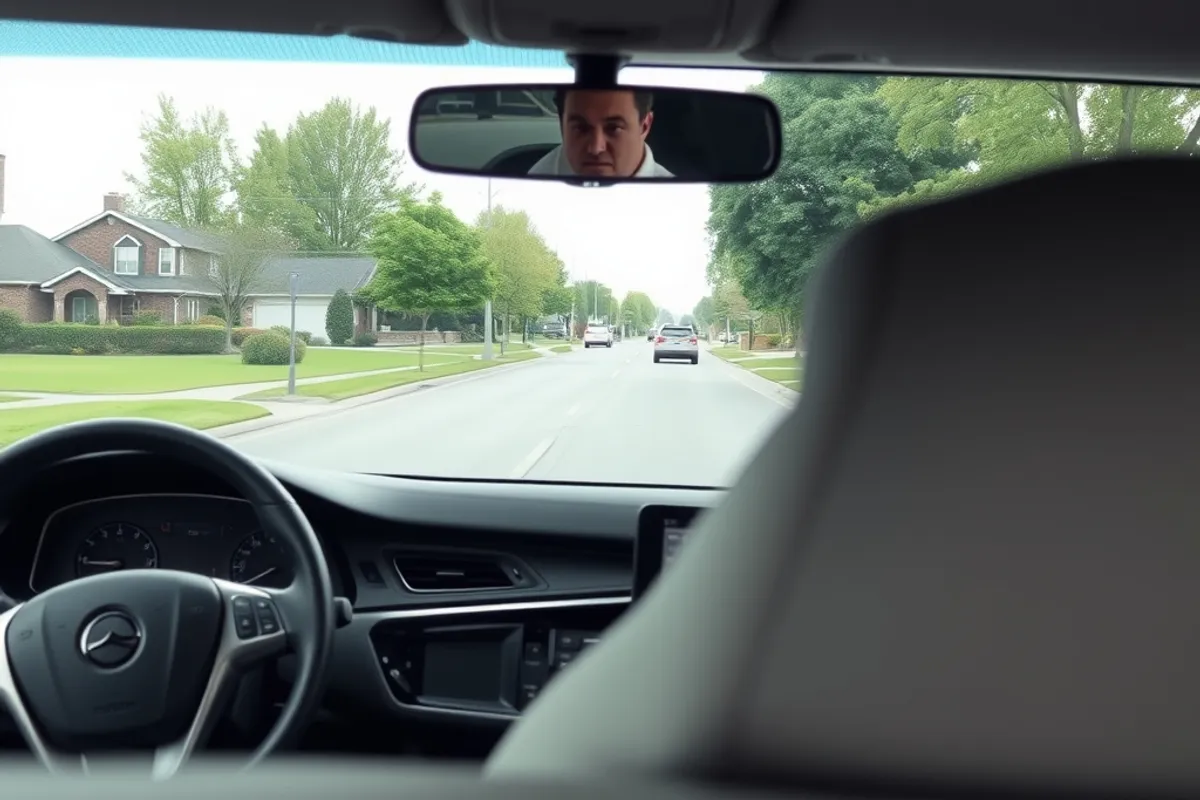
Inspect cold, drive far, walk away early.