
How to Change Your Engine Oil: Step-by-Step Beginner Guide
An oil change is the cheapest insurance an engine gets, and it is one of the few jobs a new owner can do properly in a driveway.
An oil change is the cheapest insurance an engine gets. It removes contaminants, restores lubrication and gives you a close look at the underside of the car. It is also one of the few jobs a new owner can complete in a driveway with a basic tool kit, provided you take the safety steps seriously.
This guide covers the full job on a typical petrol or diesel car in 2026: tools, oil grades, draining, the filter, refilling and disposing of the old oil responsibly. It is not a substitute for your owner's manual, which tells you the exact capacity and specification for your engine.
Tools, oil and safety first
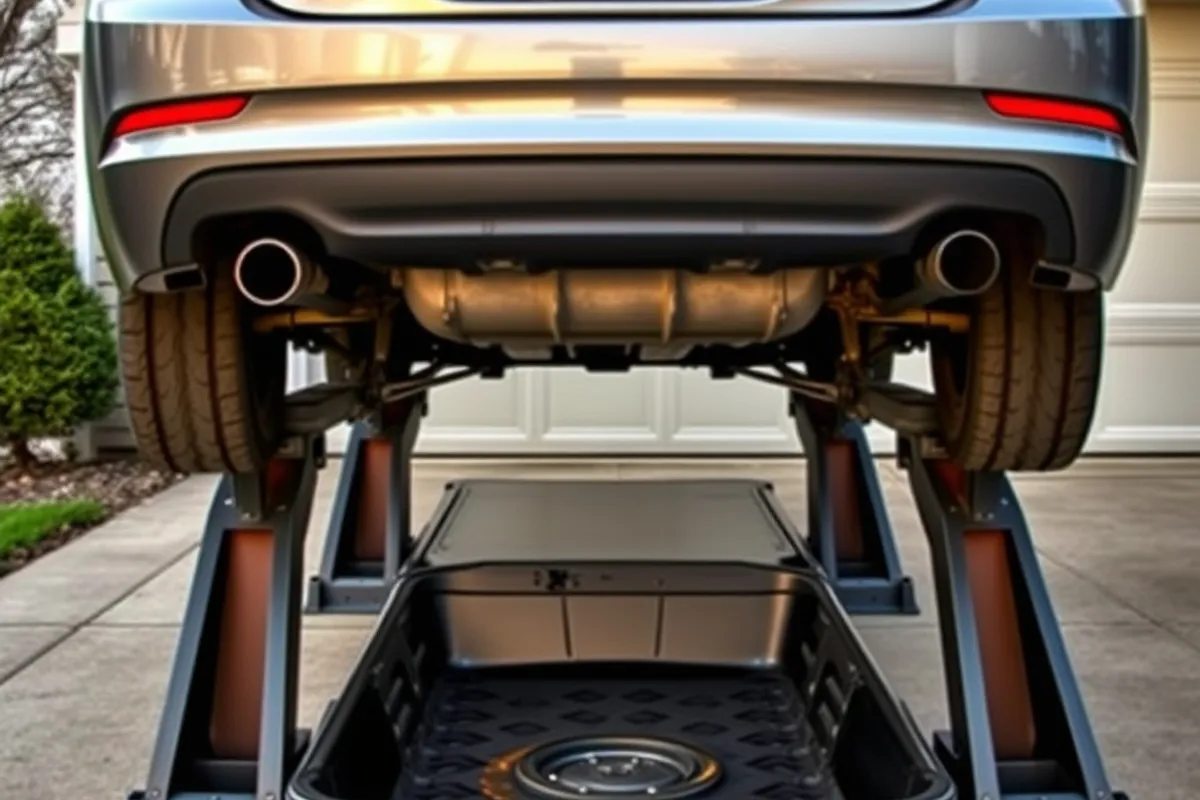
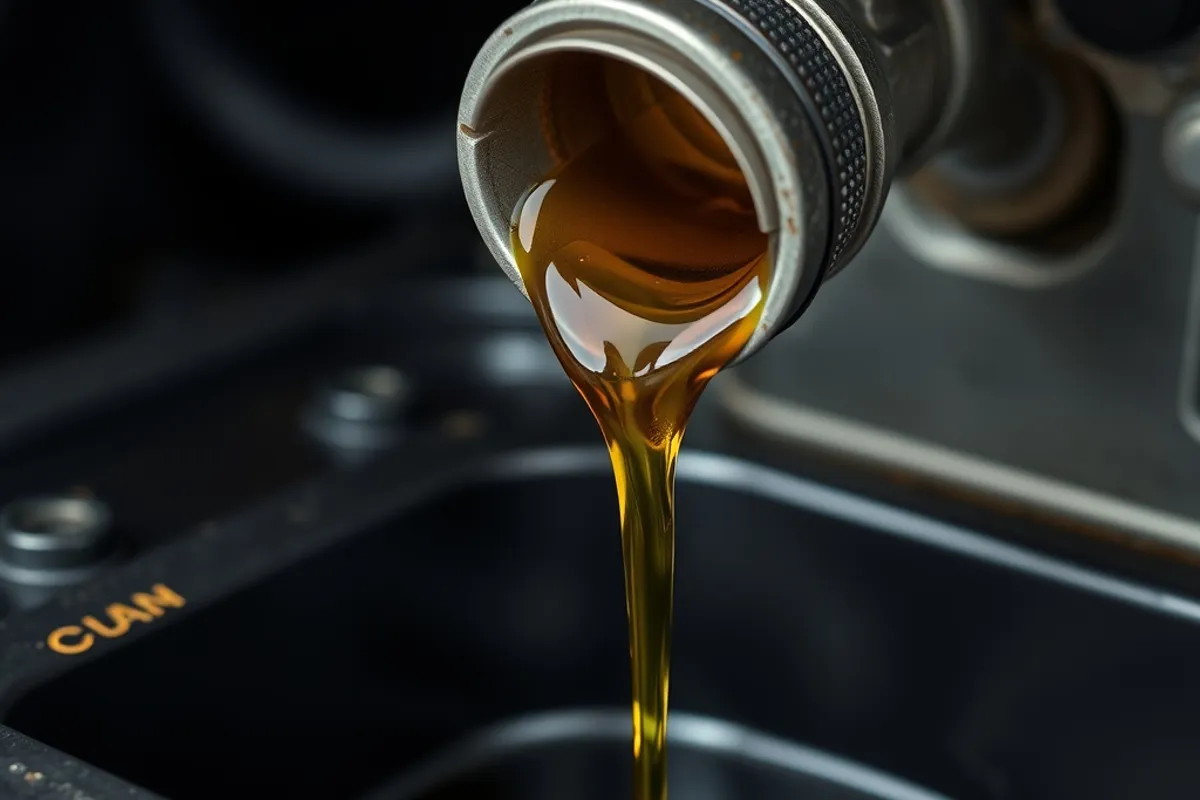
You need a socket set for the drain plug, a filter wrench that fits your filter, a drain pan, a funnel, gloves, rags and a torque wrench if you want to tighten the plug correctly. Ramps or axle stands are safer than a scissor jack. Work on level ground, let the engine warm slightly so the oil flows, then switch it off and wait for the exhaust and oil to cool enough to touch safely.
Buy the oil grade listed in the manual, not the grade a friend uses. The specification matters more than the brand: look for the viscosity and the manufacturer approval printed on the bottle. A slightly larger filter is not an upgrade; use the part number the engine was designed for.
Choosing the right oil and filter
Synthetic oil handles heat and cold better than mineral oil and is now the default for most engines. If the manual allows a range, choose the grade that matches your climate and driving. A car that does short trips in cold weather benefits from the lighter grade specified for that condition; a car that tows in summer needs the heavier end of the approved range.
Do not overlook the crush washer on the drain plug. A new washer costs almost nothing and prevents a slow drip that can loosen over time. If the plug uses a plastic or captive washer, replace it with the same type. Keep the old filter and oil for recycling; most auto parts stores accept both.
Draining the old oil
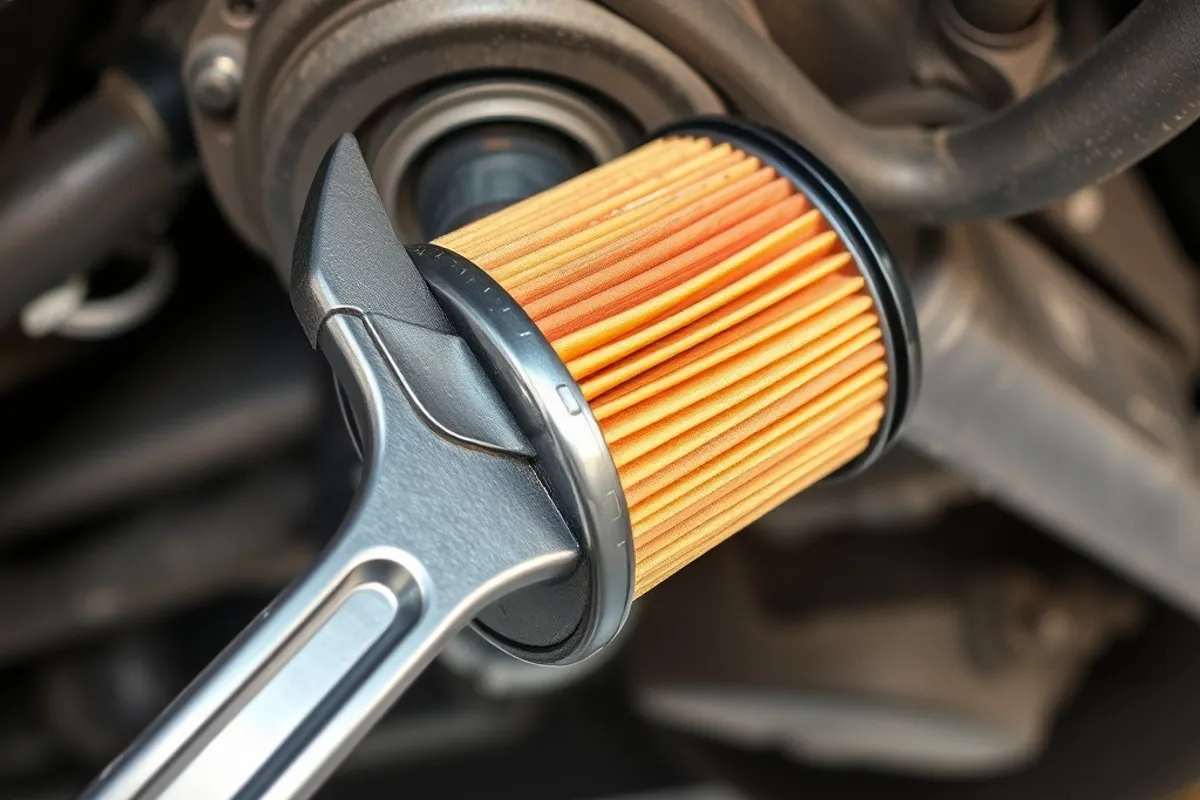
Place the drain pan under the plug, loosen the plug with a socket and then remove it by hand while keeping pressure against the pan. Let the oil drain fully; five minutes of patience removes more contamination than a shortcut. Inspect the plug and washer for damage, then clean the mating surface so the new washer seals flat.
While it drains, remove the filler cap on top of the engine. This helps the oil flow and reminds you not to start the engine until the new oil is in. Check the old oil for metal flakes or a milky colour; either is a reason to investigate before you refill.
Replacing the filter
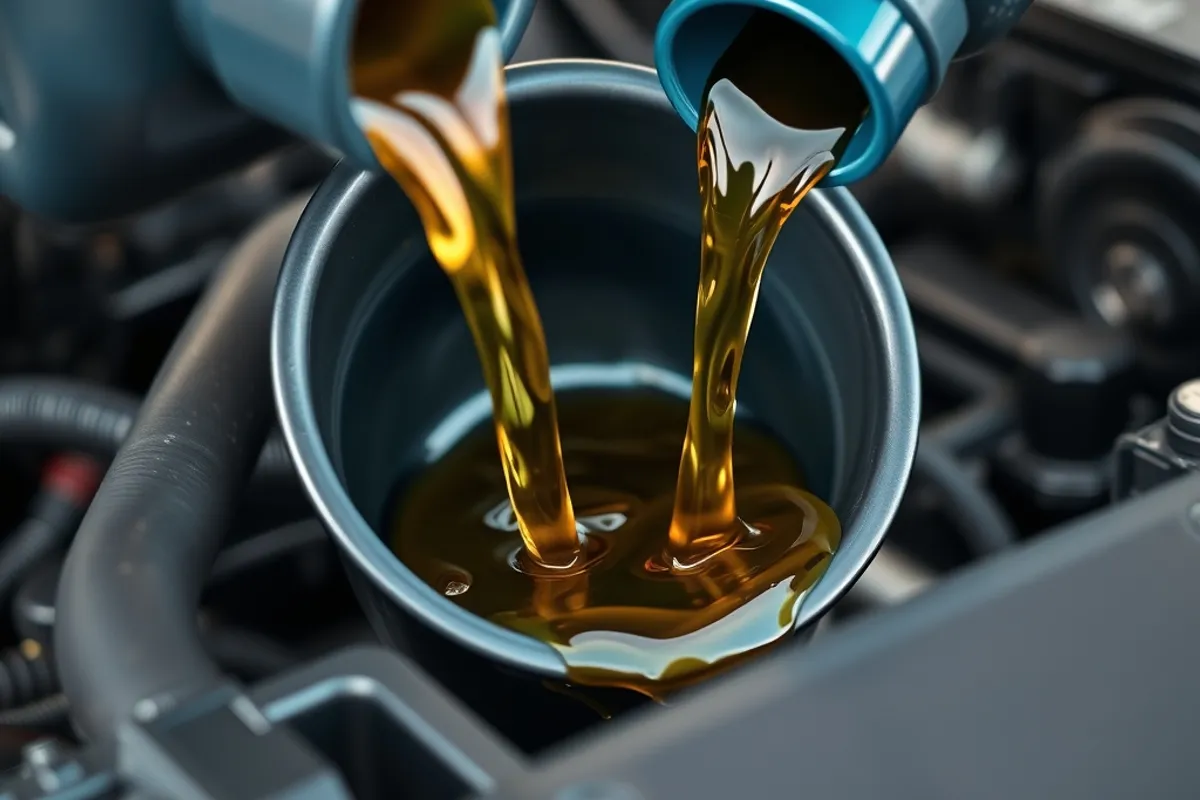
Move the pan under the filter housing. Loosen the filter with the correct wrench, then unscrew it by hand. Wipe the mounting face clean and check that the old rubber gasket came away with the filter. Smear a little new oil on the new filter's gasket, fit it by hand until it touches, then tighten according to the filter instructions. Over-tightening is the most common cause of leaks.
Oil is cheap; bearings are not. The interval in the manual is a limit, not a target to beat.
Tomas Reyes
Refilling and checking the level
Refit the drain plug with a new washer and tighten it to the torque in the manual. Pour in about three-quarters of the specified capacity, then check the dipstick. Add the rest slowly, checking between pours, until the level sits between the marks. Run the engine for a minute, switch it off, wait five minutes and check again. Look underneath for leaks while the engine idles.
If the car has an oil life monitor, reset it only after the correct oil is in. Do not reset it to silence a reminder you have not addressed. Record the mileage and date in the service book, and keep the receipt for the oil and filter.
Resetting the light and a final check
Start the engine and watch the oil pressure light. It should go out within a second or two. Let the engine idle while you check the filter and plug for drips, then take a short, gentle drive and check the level again when the car is cool. A small drop after the first run is normal as the filter fills; a puddle is not.
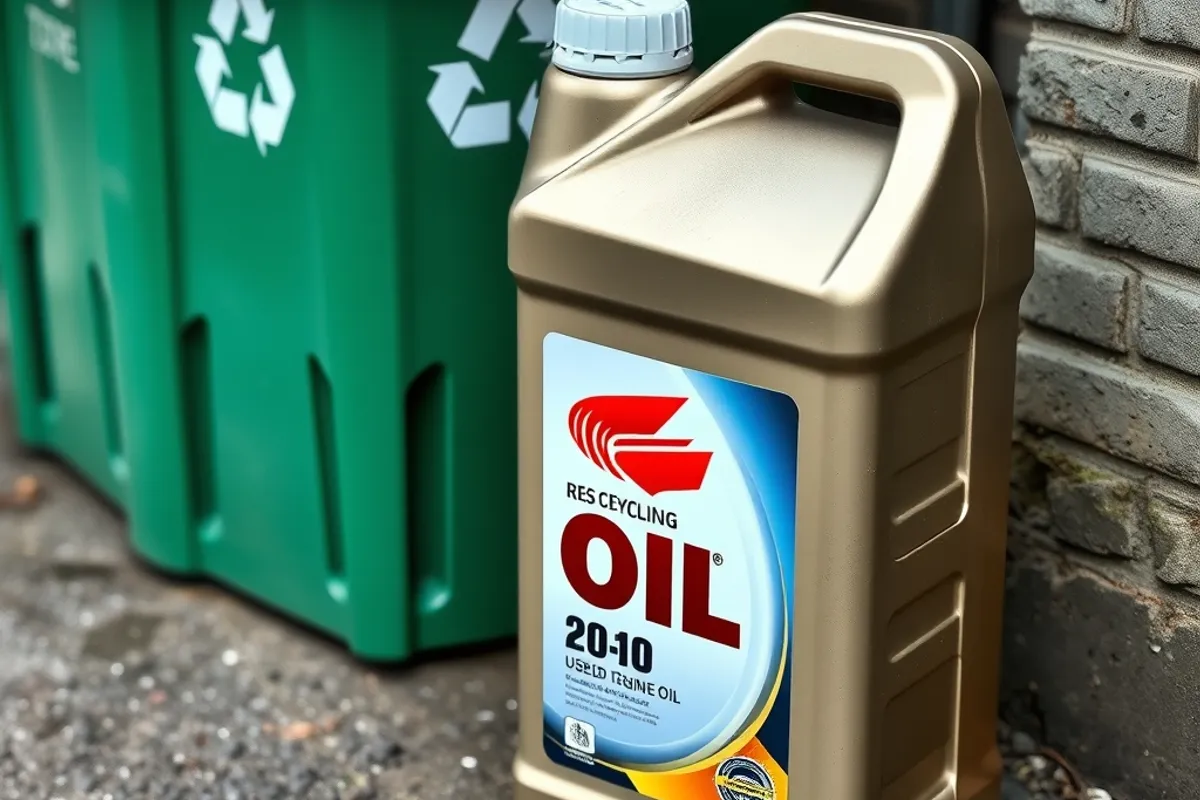
Used oil is hazardous waste. Pour it into a sealed container, never down a drain, and take it to a recycling centre or a parts store that accepts it. Filters should be drained and recycled too. The U.S. Environmental Protection Agency explains why this matters at its used oil management page.
How often, and when to stop doing it yourself
Follow the manual's interval, shortened for short trips, dust and towing. A modern engine on the right synthetic oil can go further than the old 3,000-mile habit, but only if the oil meets the specification. If you find metal, milky oil or a persistent leak, stop and get a professional diagnosis. The same applies if the filter is in an awkward place that requires removing covers or mounts.
For the rest of the service schedule, see our car maintenance checklist, and if the car also needs brakes, our brake pad guide explains when to replace rather than resurface. Changing oil is a good first job; knowing when to hand over the wrench is the next skill.
Key facts
- Use the viscosity and approval in the owner's manual.
- Replace the drain plug washer every time.
- Fill to the dipstick range, not to the filler neck.
- Recycle used oil and the filter at a parts store or centre.
- Reset the oil life monitor only after the correct oil is fitted.
Warm oil, cold patience, correct torque.